

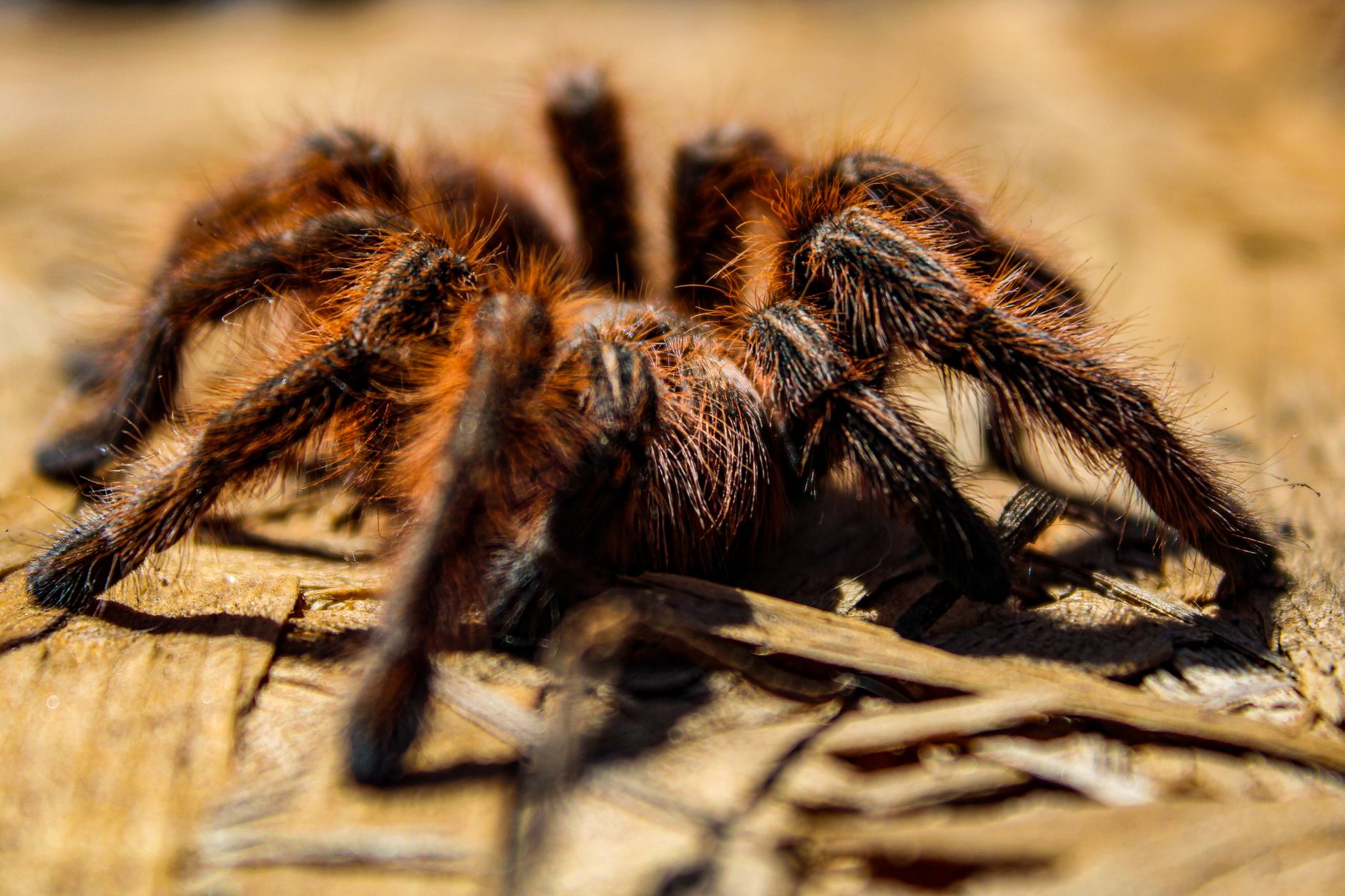
giant sea spiders have recently been observed in the midnight ocean, carrying peculiar creatures on their backs. This astonishing discovery has sparked curiosity and excitement within the scientific community.
What Are Giant Sea Spiders?
Giant sea spiders, known scientifically as Pycnogonida, are fascinating marine arthropods that inhabit the ocean’s depths. These creatures are not true spiders, but they share some similarities, such as having eight legs and a segmented body. Giant sea spiders can reach impressive sizes, with some species boasting leg spans of up to 3 feet.
Typically found in cold ocean waters, these unique animals have adapted to life in extreme environments. They primarily feed on soft-bodied invertebrates, utilizing their long proboscis to suck out fluids from their prey. Their unusual body structure, which features a small central body and long limbs, allows them to move gracefully through the water.
Recent explorations have revealed that strange creatures often ride on the backs of giant sea spiders, creating a captivating spectacle in the midnight ocean. This symbiotic relationship adds another layer of intrigue to these already remarkable creatures, highlighting the diversity and complexity of marine ecosystems.
The Midnight Ocean Exploration
In the depths of the midnight ocean, researchers have made astonishing discoveries regarding giant sea spiders. These remarkable creatures, often shrouded in mystery, have been found to bear unusual passengers on their backs. Observations reveal that various marine organisms, including small fish and crustaceans, often hitch rides on these colossal arachnids.
During recent explorations, scientists utilized advanced submersible technology to capture high-resolution images of these interactions. The findings have sparked curiosity about the ecological roles of giant sea spiders in their environment. The relationships observed suggest a form of symbiosis, where smaller creatures benefit from the protection offered by their larger companions.
Many marine biologists emphasize the importance of studying these interactions, as they can provide insights into the broader ecosystem dynamics of the ocean floor. The presence of these unique partnerships raises questions about how giant sea spiders influence their surroundings and the species that share their habitat.
As exploration continues, the midnight ocean promises to reveal even more secrets about these fascinating creatures.
Strange Creatures Identified
Recent explorations in the depths of the ocean have unveiled a fascinating connection between giant sea spiders and other bizarre marine life. Scientists reported observing a variety of strange creatures riding on the backs of these colossal arachnids, creating an unexpected ecosystem in the dark waters.
Among the notable hitchhikers were:
- Bioluminescent jellyfish that glow with an ethereal light, illuminating the surrounding darkness.
- Small shrimp that seem to form a symbiotic relationship with the giant sea spiders, feeding on parasites.
- Colorful sea slugs that add a splash of color to the otherwise muted palette of the deep sea.
This unique phenomenon has prompted researchers to reevaluate the role of giant sea spiders in their habitats. The interactions observed suggest that these creatures might play a crucial part in the complex food webs of the ocean’s depths, further highlighting the importance of studying these strange and intriguing animals.
Implications for Marine Biology
The discovery of giant sea spiders has significant implications for marine biology, reshaping our understanding of deep ocean ecosystems. These remarkable creatures, known for their unusual size and appearance, challenge existing notions of arthropod evolution and adaptation.
Researchers are particularly intrigued by the symbiotic relationships observed between giant sea spiders and other marine organisms. Such interactions may reveal how various species coexist in extreme environments, offering insights into the delicate balance of oceanic ecosystems.
Moreover, studying giant sea spiders can enhance our knowledge of the role of marine invertebrates in nutrient cycling and energy transfer within their habitats. This is crucial for understanding broader ecological dynamics and the impact of climate change on marine life.
As scientists continue to explore the depths of the ocean, the implications of these findings may extend to biodiversity conservation efforts, highlighting the need to protect these unique ecosystems. The giant sea spider, once an obscure inhabitant of the ocean floor, is now a key player in the ongoing quest to understand marine biodiversity.
Future Research Directions
As scientists continue to unravel the mysteries surrounding giant sea spiders, several future research directions are emerging. Understanding their ecological roles is paramount, particularly in the context of climate change and ocean health.
Researchers are keen to explore the following areas:
- Habitat Analysis: Studying the environments where giant sea spiders thrive can reveal how these creatures adapt to various oceanic conditions.
- Feeding Behaviors: Investigating their diet and predation patterns will help clarify their role in the marine food web.
- Reproductive Strategies: Learning about their reproductive habits could shed light on population dynamics and resilience in changing ecosystems.
- Inter-species Relationships: Observing interactions with other marine organisms could provide insights into their ecological significance.
By focusing on these areas, scientists hope to gain a better understanding of giant sea spiders and their contributions to the ocean’s complex ecosystem.
Photo by FABIO GENOVESE on Pexels
References
- Drug Discovery Collaboration: Novo and Anthropic Team Up
- Redmi Note 17 Pro 5G: The Best Battery Upgrade in India
- Xbox Game Pass rumor dismissed: Clear reasons why it’s safe