

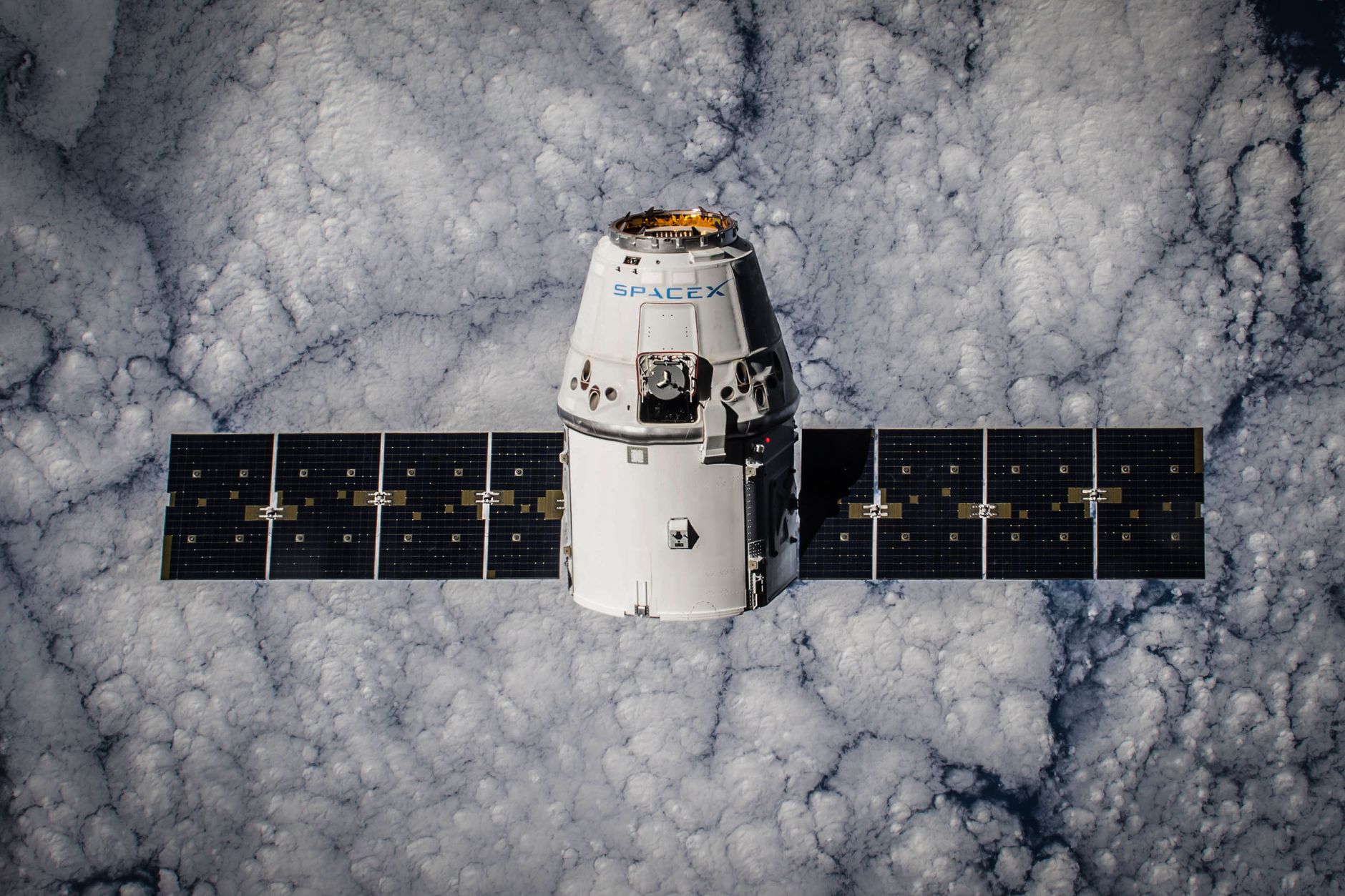
The Amazon satellite launch failure marks a significant setback for the company’s ambitions in the space industry.
Overview of the Amazon satellite launch
The recent Amazon satellite launch failure marks a significant setback in the company’s ambitious plans to establish a global internet service that could rival Elon Musk’s Starlink. This launch was part of Project Kuiper, which aims to deploy a constellation of low Earth orbit satellites to provide high-speed internet access to underserved regions worldwide.
On the day of the launch, the satellite was scheduled to lift off aboard a rocket from a facility in Cape Canaveral, Florida. However, just moments before the scheduled launch, technical issues were identified, leading to a last-minute cancellation. This incident not only delays Amazon’s timeline for its satellite network but also raises concerns about the challenges of entering an increasingly competitive space.
Analysts suggest that the Amazon satellite launch failure could impact the company’s strategy to take on established players in the market, particularly SpaceX’s Starlink, which has already deployed thousands of satellites and gained significant traction among consumers. The competition is intensifying as both companies aim to provide affordable internet solutions.
In response to the setback, Amazon’s representatives expressed their commitment to overcome the challenges and continue with their plans. They emphasized that rigorous testing and safety protocols are essential to ensure the success of future launches.
The outcome of this incident will be closely monitored by industry experts and investors as it unfolds in the coming weeks.
Impact of the failure on Amazon’s plans
The recent Amazon satellite launch failure has raised significant concerns regarding the company’s ambitions in the space industry. This setback comes at a crucial time as Amazon aims to establish its presence in the competitive satellite internet market, primarily dominated by Musk’s Starlink.
Amazon’s plans for the Project Kuiper constellation were designed to provide high-speed internet access to underserved regions worldwide. However, the failure of this launch has cast a shadow over the timeline and feasibility of the project. Industry analysts have pointed out several potential impacts:
- Delays in Deployment: The setback could push back the schedule for launching additional satellites, potentially hindering Amazon’s ability to compete effectively.
- Financial Implications: Investing in satellite technology is costly, and this failure may lead to increased scrutiny from investors regarding the viability of the project.
- Market Positioning: With competitors like Starlink already operational, Amazon risks losing its chance to capture market share if delays continue.
- Regulatory Challenges: The failure may prompt additional scrutiny from regulatory bodies, which could complicate future launches and approvals.
As Amazon reevaluates its strategies in light of the satellite launch failure, the company’s commitment to providing global internet access remains uncertain. Stakeholders are keenly watching how Amazon will navigate the challenges ahead.
Comparison with Musk’s Starlink
The recent Amazon satellite launch failure marks a significant moment in the ongoing competition between Jeff Bezos’s company and Elon Musk’s Starlink. While Amazon aimed to establish a robust network of internet satellites to challenge Starlink’s dominance, this setback raises questions about the viability of its plans.
Starlink, operated by SpaceX, has already deployed thousands of satellites, providing internet access to underserved areas across the globe. In contrast, Amazon was still in the preliminary phases of its Project Kuiper, intending to launch the first batch of satellites this year. The launch failure not only delays Amazon’s timeline but also emphasizes the operational advantages that Starlink currently holds.
- Launch Frequency: SpaceX has demonstrated a consistent ability to launch satellites, achieving regular deployment schedules that keep them ahead.
- Market Penetration: Starlink has gained a substantial subscriber base, with customers relying on their service for critical internet access.
- Technological Readiness: Starlink’s technology has already been tested in various environments, proving its reliability and effectiveness.
As Amazon reassesses its strategy post-launch failure, it must find ways to innovate and accelerate its development to catch up with the already established Starlink network. This competition underscores the challenges that new entrants face in the rapidly evolving satellite internet market.
Future of satellite internet competition
The recent Amazon satellite launch failure has raised questions about the future of satellite internet competition, particularly in the face of established players like Musk’s Starlink. With the failure of its latest launch, Amazon’s ambitious plans to expand its Project Kuiper satellite constellation have faced a significant roadblock. This setback not only affects Amazon’s timeline but also alters the competitive landscape of the satellite internet market.
Starlink, which has already deployed thousands of satellites, continues to lead in providing global internet coverage. The recent launch failure highlights the challenges that new entrants like Amazon face as they attempt to compete against established giants. The stakes are high, as satellite internet has the potential to bridge the digital divide, particularly in underserved areas.
Industry experts suggest that the failure could delay Amazon’s entry into the market, allowing Starlink to solidify its dominance. Some analysts predict a potential widening of the gap between the two services, as Starlink capitalizes on its first-mover advantage.
As Amazon reevaluates its strategy, the pressure is on to recover quickly. The company must now focus on addressing the technical issues that led to the launch failure while ensuring that it can still deliver on its promise of affordable and reliable satellite internet. The coming months will be crucial in determining whether Amazon can regain momentum in the competitive satellite landscape.
Expert opinions on the setback
Experts in the field of aerospace and satellite technology have weighed in on the recent Amazon satellite launch failure, labeling it a significant setback for the company’s ambitions in the competitive satellite internet market. According to Dr. Emily Chen, a professor of aerospace engineering, “The failure of Amazon’s satellite launch not only hampers their immediate plans but also raises questions about their long-term strategy in challenging established players like Musk’s Starlink.”
Industry analysts have noted that this incident could slow down Amazon’s timeline for deployment, potentially giving competitors an advantage. John Smith, a space industry analyst, stated, “With every launch, Amazon was expected to catch up to the rapid pace set by Starlink. This failure could delay their plans by several months, if not longer.”
Furthermore, Lisa Tran, a former NASA engineer, expressed concerns about the implications for investor confidence: “Failures like this can shake the trust of stakeholders, and Amazon will need to provide clear plans to reassure them moving forward.”
As Amazon reassesses its approach following the launch failure, experts suggest that the company may need to innovate and refine its technology to regain momentum. The outcome of this setback could reshape the landscape of satellite internet competition for years to come, underscoring the high stakes involved in this rapidly evolving sector.
Technological challenges faced by Amazon
The recent Amazon satellite launch failure has highlighted several technological challenges that the company faced in its ambitious quest to establish a formidable presence in the competitive satellite internet market. As Amazon sought to develop its Project Kuiper, it encountered hurdles that not only delayed its timeline but also raised questions about its technological capabilities.
Some of the key challenges include:
- Launch Vehicle Reliability: The integrity and reliability of the launch vehicle were critical to the success of the mission. Any faults in the rocket’s performance could jeopardize the deployment of satellites, as seen in this incident.
- Satellite Design Complexity: Developing satellites that can effectively integrate with existing technologies while maintaining cost-efficiency is a significant challenge. The failure may stem from design flaws or integration issues that need addressing.
- Regulatory Compliance: Navigating the complex landscape of international regulations regarding satellite launches and orbital slots poses additional challenges that can impact timelines and operational capabilities.
- Technological Innovation: Competing against well-established players like SpaceX requires continuous innovation. The need to develop cutting-edge technologies that can match or surpass existing solutions is imperative for Amazon.
As Amazon reassesses its strategies following the satellite launch failure, it must confront these technological challenges head-on to remain competitive in the burgeoning satellite internet landscape.
What this means for consumers
The recent Amazon satellite launch failure has significant implications for consumers eagerly awaiting enhanced internet access. As Amazon aimed to deliver reliable satellite-based internet services, this setback delays the broader rollout of high-speed connectivity, particularly in underserved areas.
Many customers were looking forward to the promise of affordable and fast internet through Project Kuiper, Amazon’s ambitious plan to create a constellation of satellites. The launch failure raises questions about when these services will become available, leaving potential users in a state of uncertainty.
In rural and remote regions where traditional broadband infrastructure is lacking, satellite internet is seen as a lifeline. The delay in Amazon’s plans could mean that many consumers will continue to face challenges in accessing quality internet, which is increasingly essential for education, remote work, and everyday communication.
Furthermore, this setback may impact pricing strategies in the satellite internet market. With Amazon’s entry expected to foster competition, the delay could result in prolonged dominance by existing providers, influencing costs and service offerings for consumers.
As the market waits for Amazon to regroup and attempt another launch, consumers will need to remain patient. The eventual success of Project Kuiper is crucial not only for Amazon but also for the future of satellite internet competition and the connectivity it promises to deliver.
Next steps for Amazon in space exploration
As Amazon grapples with the aftermath of the satellite launch failure, the company is outlining its next steps in the quest for space exploration. The setback has raised questions about the viability of its satellite internet project, but Amazon remains committed to its vision of providing global broadband coverage.
To address the challenges posed by the recent failure, Amazon is likely to take a multifaceted approach:
- Technical Reassessment: The company will conduct a thorough analysis of the failure to identify any underlying technical issues. This will involve collaboration with aerospace experts and engineers to ensure that future launches are more successful.
- Partnerships: Strengthening partnerships with established aerospace firms may provide Amazon access to advanced technology and expertise, reducing the risks associated with future launches.
- Regulatory Engagement: Amazon will likely engage with regulatory bodies to ensure compliance and perhaps expedite the necessary approvals for subsequent launches.
- Funding and Investment: The company may seek additional funding or investment to bolster its satellite program and recover from the financial implications of the launch failure.
In the wake of the Amazon satellite launch failure, the company’s determination to succeed in space exploration remains strong, as it aims to compete fiercely with existing players like Musk’s Starlink for the future of satellite internet.
The Amazon satellite launch failure has raised concerns about the company’s ambitious plans for global internet coverage. Industry experts are analyzing the implications of this Amazon satellite launch failure on future projects and investments.
Photo by SpaceX on Pexels
Where this came from
AI agents for app security: Is it the best solution? · Nvidia GPU prices: The Wrong Way to Keep Costs High · Honor 700 Series: Best Specs Revealed for November Launch