

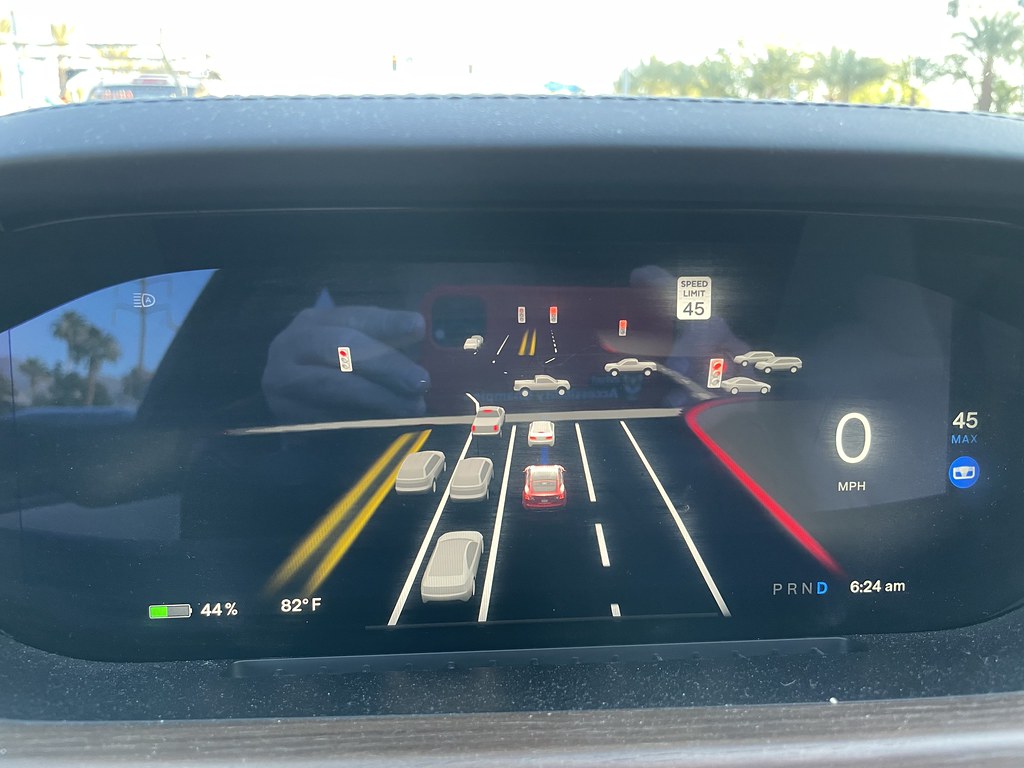
Tesla Full Self-Driving is making headlines with its upcoming release date. Elon Musk has confirmed the details, sparking excitement and curiosity among tech enthusiasts.
What is Tesla Full Self-Driving?
Tesla Full Self-Driving, often abbreviated as FSD, is an advanced driver assistance system developed by Tesla, Inc. This technology aims to enhance the driving experience by utilizing a combination of artificial intelligence, neural networks, and real-time data from the vehicle’s sensors. The system allows for various automated driving features that promise to reduce the need for human intervention.
At its core, Tesla Full Self-Driving is designed to navigate through complex environments, from city streets to highways, while making real-time decisions. Some of the key functionalities include:
- Autonomous Navigation: The vehicle can plan routes and make lane changes autonomously.
- Traffic Light Recognition: FSD can recognize and respond to traffic signals and stop signs.
- Summon Feature: This allows the vehicle to come to the driver or park itself in tight spaces.
- Automatic Lane Changes: The system can execute lane changes based on traffic conditions and driving context.
With the recent announcement from Elon Musk regarding the release date of Tesla Full Self-Driving v15, enthusiasts and experts alike are eager to see how this latest iteration will enhance the technology. As the company continues to refine its capabilities, the debate over whether Tesla Full Self-Driving is the best smart tech yet intensifies.
Key Features of Tesla Full Self-Driving
The latest version of Tesla Full Self-Driving (FSD) introduces several key features that enhance its autonomous driving capabilities. These improvements promise to make driving safer and more convenient for Tesla owners.
- Enhanced Navigation: The FSD system now utilizes advanced mapping and real-time data to provide more accurate route planning. This allows for smoother navigation through complex urban environments.
- Traffic Light Recognition: One of the standout features is the ability to recognize and respond to traffic signals. This includes stopping at red lights and proceeding when the light turns green, mimicking human behavior.
- Automatic Lane Changes: The new version includes refined algorithms that enable the car to change lanes automatically when safe to do so, improving overall driving efficiency.
- Smart Summon: This feature allows users to summon their vehicle from a distance, making it easier to navigate tight parking situations without needing to be inside the car.
- Enhanced Safety Features: Tesla continues to prioritize safety with FSD, integrating features like collision avoidance and pedestrian detection to minimize risks on the road.
With these updates, Tesla Full Self-Driving aims to set a new standard in smart technology, positioning itself as a leader in the autonomous driving space.
Elon Musk’s Vision for Autonomous Driving
Elon Musk has long been an advocate for the advancement of autonomous driving technology, and his vision for Tesla Full Self-Driving is at the forefront of this mission. Musk believes that self-driving cars will revolutionize the way we approach transportation, making it safer, more efficient, and accessible to all. In his view, the ultimate goal is to create a vehicle that can navigate complex environments without human input, providing a seamless driving experience.
As Tesla continues to refine its Full Self-Driving capabilities, Musk emphasizes the importance of software updates, which allow vehicles to learn and adapt to new driving scenarios. This iterative approach is central to the development of Tesla’s artificial intelligence, which strives to mimic human decision-making on the road.
In a recent announcement, Musk highlighted the upcoming release of Tesla Full Self-Driving v15, which promises to include significant improvements over previous versions. He noted that these advancements are not merely incremental but rather a step toward achieving true autonomy.
- Enhanced Navigation: The new version will feature improved route planning.
- Better Sensor Fusion: Increased data integration from various sensors.
- Greater Safety Measures: Advanced algorithms designed to reduce accidents.
Ultimately, Musk envisions a future where Tesla Full Self-Driving is not just a feature but a transformative technology that reshapes urban mobility and enhances the quality of life for millions.
Release Date and Expectations
The highly anticipated Tesla Full Self-Driving version 15 is set to be released on December 20, 2023, according to recent announcements from CEO Elon Musk. This update has generated significant buzz among automotive enthusiasts and tech experts alike, as it promises to enhance the already impressive capabilities of Tesla’s autonomous driving system.
As the release date approaches, expectations are running high. Users are eager to see improvements in features such as:
- Navigation: Enhanced route planning that adapts to real-time traffic conditions.
- Safety: Advanced algorithms aimed at reducing the likelihood of accidents.
- User Interface: A more intuitive dashboard that provides clearer feedback on driving status.
- Remote Monitoring: Improved features for users to monitor their vehicles remotely, allowing for better peace of mind.
Industry analysts believe that the latest iteration of the Tesla Full Self-Driving software could set new benchmarks in the autonomous driving landscape. With the ongoing advancements in artificial intelligence and machine learning, Tesla’s software is expected to further refine its ability to navigate complex driving environments.
As the release date nears, many will be watching closely to see if Tesla can deliver on its promises and solidify its position as a leader in smart automotive technology.
How Does Full Self-Driving Work?
Tesla Full Self-Driving (FSD) operates using a combination of advanced hardware and sophisticated software algorithms designed to enable vehicles to navigate roads with minimal human intervention. At the core of FSD is a suite of sensors, including cameras, radar, and ultrasonic sensors that gather real-time data about the vehicle’s surroundings.
The data collected from these sensors is processed through Tesla’s neural networks, which analyze various aspects such as lane markings, traffic signals, pedestrians, and obstacles. This analysis allows the vehicle to make informed decisions, such as when to stop, accelerate, or change lanes. The system continuously improves through over-the-air updates, allowing Tesla to refine its algorithms based on real-world driving data collected from its fleet.
Key components of the Full Self-Driving system include:
- Path Planning: The vehicle calculates the most efficient route and anticipates potential hazards.
- Object Detection: Through computer vision, the system identifies and classifies objects in its environment.
- Decision Making: FSD evaluates scenarios and makes driving decisions that mimic human behavior.
- Control: The vehicle’s steering, acceleration, and braking are managed automatically based on the driving context.
As Tesla continues to enhance its Full Self-Driving capabilities, the automotive landscape may see a significant shift towards autonomous technology, raising questions about the future of driving.
Comparing Tesla’s Tech to Competitors
When evaluating the landscape of autonomous driving technology, Tesla Full Self-Driving stands out among its competitors. Various automakers have developed their own versions of self-driving technology, each with unique features and capabilities.
Leading competitors include:
- Waymo: Known for its extensive testing and reliance on lidar technology, Waymo focuses on fully autonomous vehicles without human intervention. Its technology is currently limited to specific urban areas, which constrains its applicability.
- Cruise: A subsidiary of General Motors, Cruise aims to provide safe urban mobility solutions. While it has made strides in autonomous driving, its deployment is still restricted to select cities, limiting its reach.
- Ford: The company is developing its own self-driving features through the Ford BlueCruise system. While it offers impressive capabilities, it is more focused on driver assistance rather than full autonomy.
In contrast, Tesla Full Self-Driving aims to integrate its technology across a broader range of environments. Its updates and improvements are rolled out through over-the-air software updates, making it more adaptable than many competitors. Additionally, Tesla’s large fleet of vehicles in real-world conditions provides valuable data to enhance its self-driving algorithms, positioning it as a front-runner in the race for autonomous driving supremacy.
User Reactions and Feedback
User reactions to the latest updates on Tesla Full Self-Driving have been a mix of excitement and skepticism. Many early adopters have shared their experiences on social media, highlighting both the capabilities and limitations of the technology.
Positive feedback often emphasizes the system’s impressive ability to navigate complex urban environments, with users praising features like:
- Automatic lane changes: Users report smooth transitions between lanes, enhancing the driving experience.
- Traffic light recognition: The ability to identify and respond to traffic signals has been a standout feature for many testers.
- Real-time updates: Drivers appreciate that the software continuously improves through over-the-air updates.
However, some users have expressed concerns regarding the technology’s reliability. Issues such as:
- Inconsistent performance: Some drivers have noted that the system can struggle in adverse weather conditions.
- Unpredictable behaviors: Instances of sudden braking or acceleration have raised safety concerns among users.
- Need for constant supervision: Many emphasize that despite its advancements, the system still requires driver oversight.
As Tesla continues to refine its Full Self-Driving features, user feedback will likely play a crucial role in shaping future updates and enhancing overall safety and functionality.
Future of Autonomous Vehicles
The future of autonomous vehicles is a topic that captivates both enthusiasts and skeptics alike. As technology continues to evolve, the role of systems like Tesla Full Self-Driving becomes increasingly significant in shaping the landscape of transportation.
Experts predict that within the next decade, we may see a complete transformation in how we approach driving and mobility. The integration of advanced AI, machine learning, and real-time data analysis will likely lead to safer and more efficient transportation systems.
Key factors influencing the future of autonomous vehicles include:
- Regulatory Framework: Governments worldwide are working to establish guidelines that ensure safety while encouraging innovation.
- Public Acceptance: The success of autonomous technology largely depends on how comfortable society is with relinquishing control to machines.
- Technological Advancements: Continuous improvements in sensor technology, software algorithms, and communications will enhance the capabilities of autonomous vehicles.
- Infrastructure Development: Investments in smart infrastructure, such as connected traffic signals and dedicated lanes, will support the deployment of self-driving cars.
As Tesla Full Self-Driving continues to refine its capabilities, the automotive industry is poised for an exciting future where the dream of fully autonomous driving could become a reality, transforming our daily commutes and the way we think about transportation.
By Ted Drake via Openverse
Where this came from
- Apache Roller RCE Vulnerability: Quick Patch Guide
- Tesla Release Notes: The Best Proven Features You Need
- Android 17 Rollout: Best Phones to Get Proven Updates