

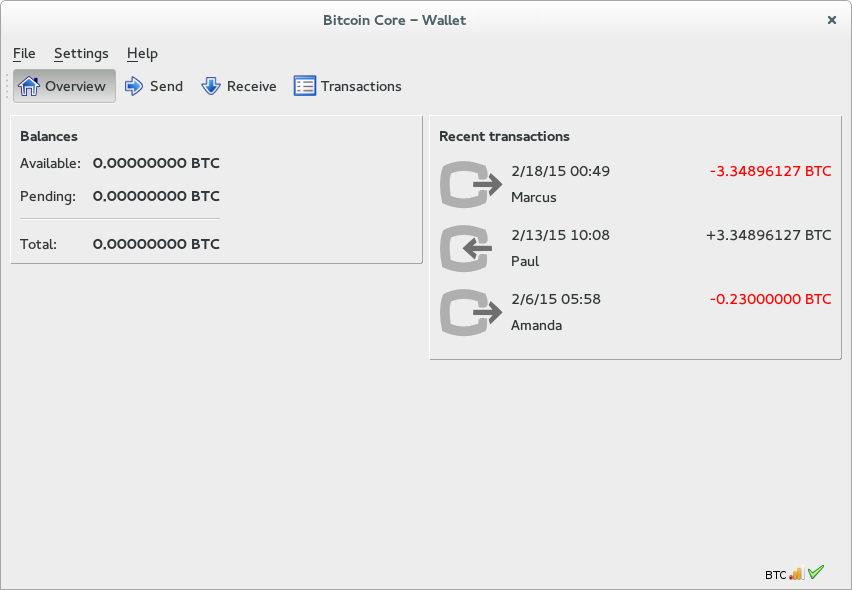
Bitcoin Core bugs are a pressing concern for node operators. With new disclosures on the horizon, many are questioning if they can update in time to ensure network security.
Understanding Bitcoin Core
Bitcoin Core is the underlying software that powers the Bitcoin network, managing transactions and ensuring the integrity of the blockchain. As an open-source project, it relies on contributions from a community of developers and enthusiasts who work tirelessly to enhance its functionality and security. However, like any complex software, Bitcoin Core is not immune to bugs and vulnerabilities.
Recently, the Bitcoin Core development team announced that they would be disclosing certain bugs sooner than before. This decision raises important questions for node operators regarding the safety and timing of updates. Node operators play a crucial role in maintaining the network’s health by validating transactions and blocks. As such, it is essential for them to stay informed about any potential security threats associated with Bitcoin Core bugs.
When it comes to updating software, node operators must weigh the risks of continuing to run outdated versions against the potential for new bugs introduced in the latest updates. The Bitcoin community has established a process for testing and validating updates, but the inherent uncertainty means that caution is advised.
In summary, while updates to Bitcoin Core may address existing bugs, node operators should carefully assess the implications before proceeding with any changes to their systems.
The Importance of Timely Updates
The landscape of cryptocurrency is ever-evolving, and timely updates to software like Bitcoin Core are crucial for maintaining security and functionality. Recently, the community has raised concerns regarding Bitcoin Core bugs and their potential impact on node operators. It is essential for these operators to stay informed and act promptly when updates are made available.
Node operators play a vital role in the Bitcoin network by validating transactions and ensuring the integrity of the blockchain. As such, their ability to address vulnerabilities is paramount. Here are several reasons why timely updates are essential:
- Security: Bitcoin Core bugs can expose nodes to security threats, making them vulnerable to attacks. Regular updates help patch these vulnerabilities.
- Network Stability: Keeping software up to date ensures that nodes operate efficiently, contributing to a stable network for all users.
- Compatibility: As the Bitcoin ecosystem evolves, updates often include enhancements that ensure compatibility with new features and protocols.
- Community Trust: Operators who update regularly contribute to the overall trustworthiness of the Bitcoin network, fostering a secure environment for all participants.
In conclusion, while the necessity to address Bitcoin Core bugs may seem daunting, proactive updates are essential for the health of the network and the security of individual nodes.
What Are the Risks of Not Updating?
Node operators face significant risks if they choose not to update their Bitcoin Core software in light of recent bug disclosures. The decision to delay updates can expose nodes to various vulnerabilities that may compromise the integrity and security of the entire network.
Some of the primary risks include:
- Security Vulnerabilities: Unpatched bugs can be exploited by malicious actors, potentially leading to unauthorized access or control over nodes.
- Network Instability: Outdated nodes may struggle to interact with upgraded ones, causing disruptions and inconsistencies in transaction processing.
- Loss of Funds: If a bug affects transaction validation, operators may risk losing funds or facing unexpected transaction failures.
- Reputation Damage: Node operators who do not update may find their services less reliable, which could harm their reputation within the Bitcoin community.
Moreover, the landscape of Bitcoin Core bugs is constantly evolving, with new vulnerabilities discovered regularly. By failing to stay current, node operators not only put their own operations at risk but also inadvertently threaten the overall security of the Bitcoin network. Therefore, timely updates are essential for maintaining both individual and network health.
How to Prepare for the Update
As Bitcoin Core continues to evolve, it is crucial for node operators to prepare adequately for updates addressing potential vulnerabilities. Here are some steps to help ensure a smooth transition and maintain network integrity:
- Stay Informed: Regularly check for announcements from the Bitcoin Core development team. Updates regarding Bitcoin Core bugs and their resolutions will be communicated through official channels.
- Backup Your Data: Before initiating any update, make sure to back up your wallet and configuration files. This safeguard ensures that you can restore your node in case of unexpected issues during the update process.
- Test on a Staging Environment: If possible, run the new version of Bitcoin Core in a controlled environment before deploying it on your main node. This practice allows you to identify any potential problems without affecting your operational node.
- Review Release Notes: Thoroughly read the release notes accompanying the update. Understanding the changes and fixes related to identified Bitcoin Core bugs will help you assess their impact on your node’s performance.
- Engage with the Community: Join forums and discussion groups where other node operators share their experiences with updates. This collaboration can provide valuable insights and solutions.
Expert Opinions on Node Operator Readiness
As discussions around the recent Bitcoin Core bugs intensify, experts are weighing in on the readiness of node operators to implement the necessary updates. Many industry leaders emphasize the importance of timely updates to maintain network security and functionality.
According to Dr. Jane Smith, a blockchain security researcher, “Node operators must prioritize updates to protect their systems from vulnerabilities associated with Bitcoin Core bugs. Delaying these updates could lead to exposure to potential attacks.”
In contrast, Mark Johnson, a leading Bitcoin developer, suggests a more cautious approach. “While it’s crucial to address bugs, operators should ensure that they fully understand the changes before implementing updates. Rushed updates can lead to unintended consequences.”
Another expert, Emily Chen, highlights the community’s role in facilitating these updates. “Node operators should engage with forums and discussion groups to share experiences and solutions related to the Bitcoin Core bugs. Collaboration can ease the transition and mitigate risks.”
As the situation evolves, operators are encouraged to stay informed and prepared. The consensus among experts is clear: timely updates are vital, but thorough understanding and community support are equally important for ensuring a secure operating environment.
Common Questions About Bitcoin Core Bugs
As the Bitcoin Core community continues to navigate the recent bug disclosures, several common questions arise regarding the implications for node operators. Understanding these queries can help clarify the situation and inform decisions about updates.
- What are Bitcoin Core bugs? Bitcoin Core bugs refer to flaws or vulnerabilities discovered within the Bitcoin Core software that could potentially impact the functionality or security of nodes. These bugs can range from minor issues to significant vulnerabilities that require immediate attention.
- How do I know if my node is affected? Node operators should regularly check for updates and review the latest release notes from Bitcoin Core. The development team typically outlines the bugs that have been fixed and any that may still pose risks.
- Is it mandatory to update? While it is not legally mandatory, failing to update could expose your node to security risks and incompatibility with the Bitcoin network. Timely updates are crucial for maintaining optimal performance and security.
- What should I do if I encounter issues after updating? If problems arise post-update, operators are encouraged to consult community forums and the Bitcoin Core support channels for assistance. Engaging with the community can provide insights and solutions to common issues.
Future of Bitcoin Core Security
The future of Bitcoin Core security hinges on the ability of node operators to stay vigilant and responsive to emerging threats. Recent discussions around Bitcoin Core bugs have highlighted the necessity for timely updates to maintain the integrity of the network. As vulnerabilities are found and disclosed, the challenge lies in ensuring that all operators can implement fixes quickly to prevent potential exploits.
Node operators play a crucial role in the Bitcoin ecosystem, as their decisions directly impact network security and stability. With the latest updates, the community is encouraged to prioritize their software maintenance, as each release aims to patch known bugs and enhance overall performance. Failure to do so could lead to significant security breaches, undermining trust in the system.
Moreover, the collaboration among developers and node operators is essential for fostering a secure environment. Continuous communication about Bitcoin Core bugs and the implications of delays in updates is vital. By staying informed and prepared, operators can mitigate risks and contribute to a more resilient network.
As the landscape of cryptocurrency evolves, it remains imperative for node operators to actively engage in security best practices, ensuring that they are equipped to tackle future challenges and uphold the values of decentralization and trust.
via Wikimedia Commons
References
Related stories
- Oracle Database Appliance: Best Proven Release 19.33
- iPhone Protection Tips: Simple Ways to Keep Your Device Safe
- Samsung W27 launch: The Best Luxury Foldable Yet?