

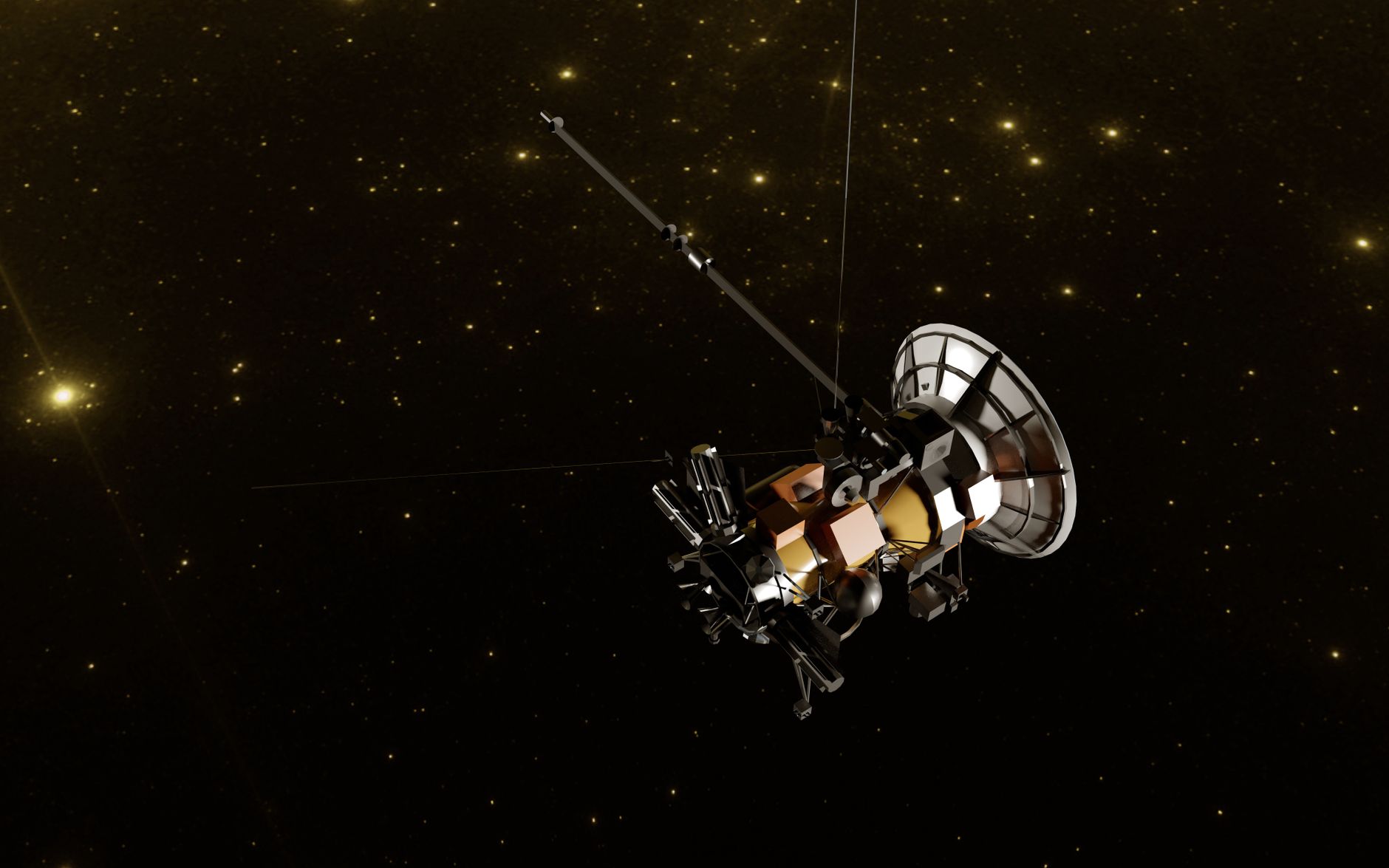
The Hera probe asteroid system has provided a groundbreaking look at the aftermath of NASA’s DART mission. This new data sheds light on the implications of the collision.
What is the Hera probe?
The Hera probe is a groundbreaking space mission launched by the European Space Agency (ESA) to study the asteroid system that was recently impacted by NASA’s DART mission. Designed to gather vital data, Hera aims to provide an in-depth analysis of the binary asteroid system, which includes the larger Didymos and its smaller moonlet, Dimorphos.
Equipped with advanced instruments, the Hera probe will assess the aftermath of the DART collision that occurred in September 2022. This asteroid system is particularly significant as it serves as a test case for planetary defense strategies against potential asteroid threats to Earth.
Key objectives of the Hera probe include:
- Measuring the crater created by DART
- Determining the mass and density of Dimorphos
- Mapping the surface features of both asteroids
- Investigating the internal structure of Dimorphos
As the Hera probe approaches its target, it promises to deliver the best look yet at this fascinating asteroid system.
Understanding the DART mission
The DART mission, short for Double Asteroid Redirection Test, was a groundbreaking endeavor by NASA aimed at demonstrating the ability to alter the trajectory of an asteroid. Launched in November 2021, DART targeted the binary asteroid system of Didymos and its moonlet, Dimorphos. The mission culminated in a high-speed impact on September 26, 2022, where DART collided with Dimorphos, successfully changing its orbit.
This monumental test aimed to assess whether a kinetic impactor could effectively deflect an asteroid, a critical strategy for planetary defense against potential threats. The data gathered from the DART mission provides invaluable insights into the composition and structure of asteroids, essential for future missions like the Hera probe.
The Hera probe asteroid system will further analyze the results of DART’s impact, providing a comprehensive look at the aftermath. This collaboration between the two missions marks a significant advancement in our understanding of asteroid behavior and the potential for planetary defense initiatives.
Impact of the asteroid system
The Hera probe asteroid system has provided scientists with unprecedented insights into the aftermath of NASA’s DART mission. Following the impact on the Didymos binary asteroid system, the Hera probe is now tasked with analyzing the changes and consequences of that mission.
Preliminary data indicates several significant effects resulting from the DART impact:
- Altered Surface Features: The collision has likely reshaped the surface of the smaller asteroid, Dimorphos, leading to new geological formations.
- Debris Distribution: The probe aims to map the extent of debris ejected into space, which could provide clues about the asteroid’s composition.
- Orbital Dynamics: Scientists are closely monitoring changes in the orbital mechanics of both asteroids to understand the impact’s effect on their trajectories.
This data will not only enhance our knowledge of asteroid systems but also inform future planetary defense strategies against potential threats from space.
Latest findings from the Hera probe
The Hera probe has recently provided groundbreaking insights into the asteroid system that was impacted by NASA’s DART mission. This marks the probe’s first detailed observations, revealing critical information about the aftermath of the collision.
Among the latest findings, researchers noted the following:
- Surface Analysis: The Hera probe captured high-resolution images of the asteroid’s surface, allowing scientists to study the impact crater’s dimensions and formation.
- Composition: Preliminary data suggests a diverse range of materials present on the asteroid, which may shed light on its origins and evolution.
- Orbital Changes: The probe has monitored changes in the asteroid’s trajectory since the DART impact, providing valuable data on the effects of kinetic impact on asteroid dynamics.
These findings from the Hera probe asteroid system not only enhance our understanding of this particular celestial event but also contribute to broader planetary defense strategies.
Future of asteroid exploration
The future of asteroid exploration is set to be revolutionized by the insights gained from the Hera probe asteroid system. As scientists continue to analyze the data, several key areas are emerging as focal points for future missions.
- Sample Collection: Future missions may focus on collecting samples from asteroids, providing direct material for study and enhancing our understanding of the early solar system.
- Potential for Mining: With the growing interest in asteroid mining, understanding the composition of these celestial bodies will be crucial for future economic ventures.
- Planetary Defense: The Hera probe asteroid system offers vital data that could inform strategies for deflecting potentially hazardous asteroids.
- International Collaboration: The success of the Hera mission highlights the importance of global partnerships in space exploration, paving the way for joint missions in the future.
As we look ahead, the advancements made by the Hera probe will undoubtedly shape the trajectory of asteroid exploration for years to come.
The Hera probe asteroid system offers unprecedented insights into the composition and structure of asteroids. As scientists analyze the data collected, the Hera probe asteroid system will enhance our understanding of planetary defense strategies.
Photo by Paul Seling on Pexels
Read the original
You might also like
- Samsung Galaxy S27 specs: The Best Features Revealed
- Yaogan satellites launch: The Smart Move for Scientific Progress
- New Zealand PHP servers: The Worst Unsupported Versions Revealed