

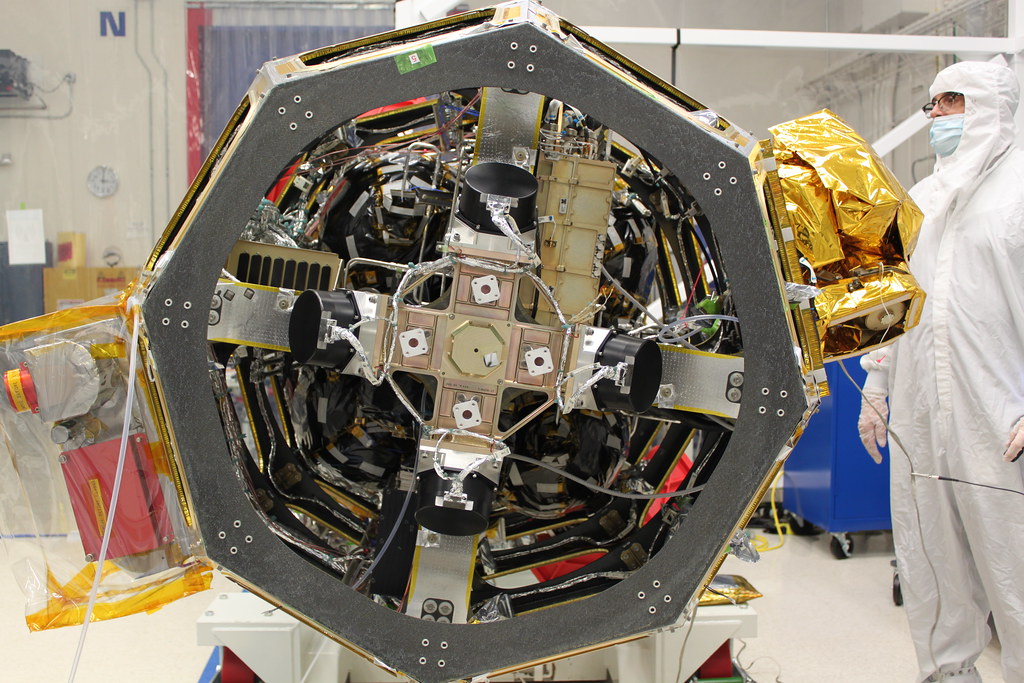
laser power satellites are transforming how we deliver energy to orbiting satellites. This innovative technology promises efficient energy transfer through lasers, paving the way for a new era in space energy solutions.
What Are Laser Power Satellites?
Laser power satellites represent a revolutionary concept in energy transmission, utilizing focused laser beams to deliver power from space to Earth. These satellites harness solar energy, converting it into high-intensity laser light that can be directed toward receiving stations on the ground.
The advantages of laser power satellites include:
- Efficiency: By operating in space, they can capture sunlight without atmospheric interference.
- Renewable Energy: They provide a sustainable source of power, reducing dependence on fossil fuels.
- Global Reach: Energy can be beamed to remote areas, enhancing energy accessibility.
As demonstrated by the recent launch of StarCatcher’s pioneering technology, laser power satellites are poised to change the landscape of energy distribution, offering a cleaner and more efficient method of powering our planet.
How StarCatcher Demonstrated This Technology
In a groundbreaking demonstration, StarCatcher has successfully showcased the potential of laser power satellites. This innovative technology aims to revolutionize energy transmission by beaming power from space to Earth. During the demonstration, a prototype satellite equipped with a laser transmitter was launched into orbit, where it transmitted energy to a receiving station located on the ground.
The process involved converting solar energy into laser light, which was then directed precisely at the receiver. This method not only provides a continuous energy supply but also minimizes energy loss during transmission. StarCatcher’s test results indicated an impressive efficiency rate, paving the way for future commercial applications of laser power satellites.
Experts believe that this technology could significantly reduce reliance on fossil fuels and enhance global energy security. With successful tests like these, the vision of harnessing solar energy from space may soon become a reality.
Benefits of Laser Power for Satellites
Laser power satellites offer several significant advantages, transforming the way we think about energy transmission in space. One of the primary benefits is their ability to deliver energy wirelessly, eliminating the need for cumbersome cables or physical connections. This technology allows for seamless energy transfer, enhancing operational efficiency for various applications.
Additionally, laser power satellites can provide clean and renewable energy sources, reducing reliance on fossil fuels and minimizing environmental impact. Their ability to harness solar power in space, where sunlight is abundant and uninterrupted, makes them a promising solution for sustainable energy needs.
Moreover, the precision of laser transmission enables targeted energy delivery, which can be particularly beneficial for powering remote locations or supporting disaster relief efforts. As the technology matures, laser power satellites are poised to revolutionize both terrestrial and extraterrestrial energy systems.
In conclusion, the smart way to beam energy using laser power satellites presents a future filled with potential for innovation and sustainability.
Challenges in Laser Energy Transfer
Despite the promising potential of laser power satellites, several challenges remain in the effective transfer of energy. One primary concern is atmospheric interference, which can diminish the efficiency of laser beams as they travel through the atmosphere. Factors such as weather conditions, haze, and atmospheric turbulence can disrupt the energy transmission, making it less reliable.
Additionally, safety regulations pose a significant challenge. High-powered lasers may inadvertently harm wildlife or aircraft if not properly managed. Ensuring that these systems can operate safely in various environments is essential for widespread adoption.
Another issue is the cost of infrastructure required for both the ground stations and the satellites. Developing the necessary technology and equipment demands substantial investment, which could deter potential investors. Addressing these challenges will be crucial for the future success of laser power satellites and their role in energy distribution.
Future of Space Energy Solutions
The future of space energy solutions is increasingly intertwined with the development of laser power satellites. As the demand for clean and sustainable energy rises, these innovative technologies offer a promising alternative. By harnessing solar energy in space and transmitting it back to Earth, laser power satellites can provide a reliable and continuous energy source, eliminating the limitations of terrestrial solar power.
Moreover, advancements in laser technology and energy transfer systems are paving the way for wider applications. The ability to beam energy directly to remote or underserved locations could revolutionize energy access, supporting both urban areas and disaster-stricken regions.
Furthermore, international collaborations and investments in research will enhance the capabilities of laser power satellites, making them a cornerstone of future energy infrastructure. As we look ahead, the potential for these systems to contribute to global energy needs cannot be underestimated.
Comparing Traditional vs. Laser Power Systems
When comparing traditional power systems to laser power satellites, several key differences emerge. Traditional systems primarily rely on solar panels, which convert sunlight into electricity. While effective, these systems suffer from limitations such as reduced efficiency during eclipses and dependence on direct sunlight.
In contrast, laser power satellites offer a more consistent energy supply. They utilize high-efficiency lasers to transmit energy to ground stations or other satellites, enabling power delivery regardless of weather conditions or time of day. This innovative approach not only enhances energy reliability but also expands the potential for energy distribution.
Moreover, laser power systems can be deployed in remote areas where traditional infrastructure is lacking. As a result, they present a promising solution for future energy needs, as evidenced by recent advancements in the field. With ongoing research and development, laser power satellites may soon revolutionize how we think about energy transmission.
By NASA Goddard Photo and Video via Openverse
Where this came from
- In-Orbit Computing Satellite: India’s First MOI-1A Launch
- Apple new product launch: Best insights on October 13 event
- Witcher 3 Remastered fix: Quick Solution for AMD Users