

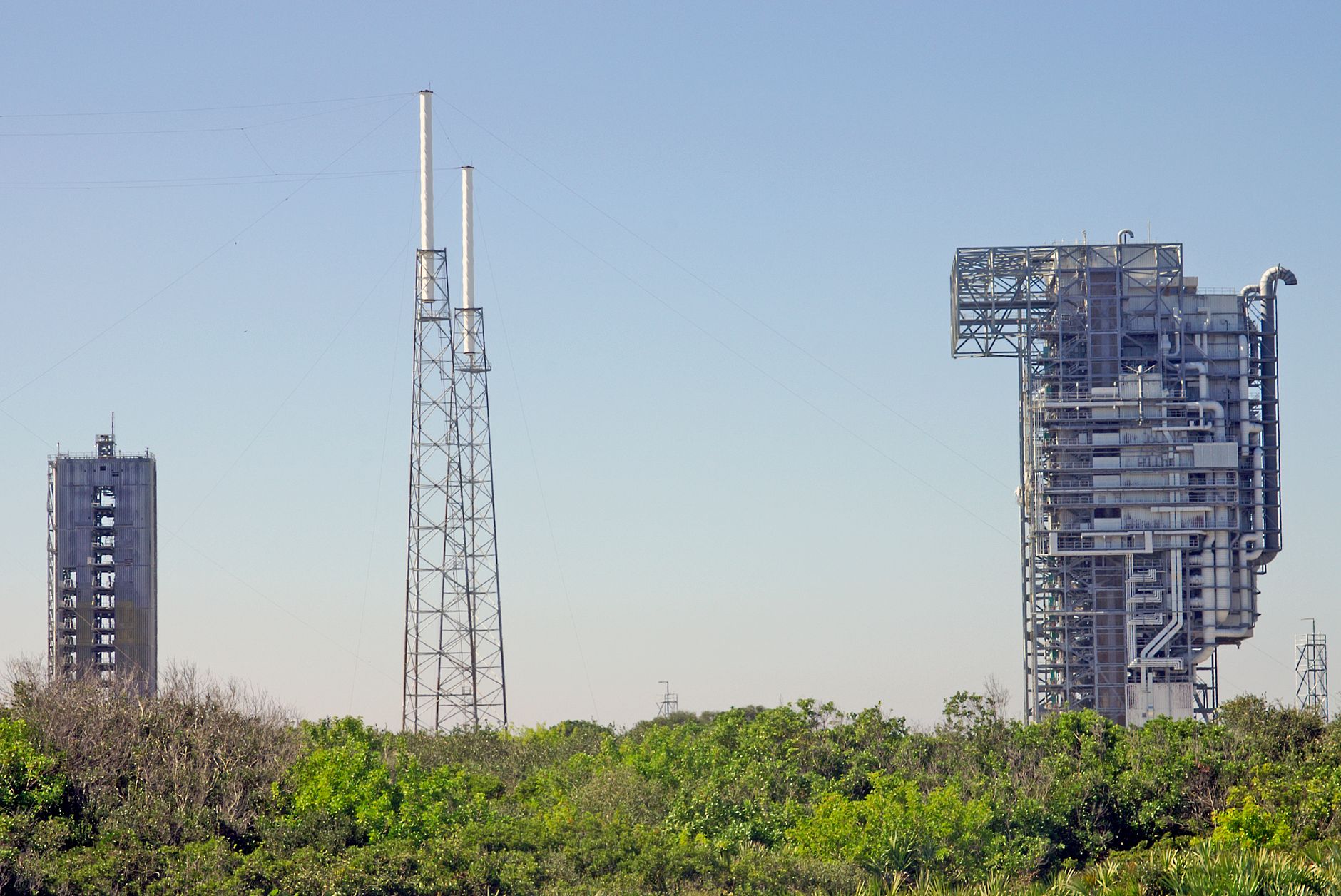
launch satellites beaming sunlight is an innovative approach that a start-up has undertaken with Skyroot to harness solar energy from space.
Overview of the Satellite Launch
A recent initiative by a pioneering start-up aims to revolutionize energy access by launching satellites beaming sunlight onto Earth. This innovative project seeks to harness solar energy from space and transmit it directly to various regions, potentially providing a sustainable power source for millions of people worldwide.
The collaboration with Skyroot, a notable player in the aerospace sector, marks a significant milestone in the project’s timeline. By utilizing advanced launch technology, the satellites are designed to capture solar energy efficiently and convert it into usable power. The implications of this technology could be profound, especially in areas with limited access to reliable electricity.
Key features of the satellite launch include:
- Innovative Technology: The satellites will incorporate cutting-edge solar panels capable of maximizing energy capture.
- Global Reach: The energy beamed from these satellites can be directed to remote locations, addressing energy inequality.
- Sustainability: This initiative promises a clean energy solution that reduces reliance on fossil fuels.
As the project progresses, experts and stakeholders are optimistic about the potential impact of launching satellites beaming sunlight on global energy strategies. With the right support and investment, this venture could set a precedent for future solar energy innovations.
Benefits of Beaming Sunlight
The concept of launching satellites beaming sunlight onto Earth presents a multitude of benefits, promising to revolutionize energy consumption and environmental sustainability. By harnessing solar energy from space, these satellites can provide a continuous and reliable power source, regardless of weather or time of day.
Some of the key advantages include:
- Increased Energy Efficiency: Solar energy collected in space is more efficient than that harvested on the ground, as it avoids atmospheric interference.
- Global Coverage: Satellites can beam sunlight to remote or underserved areas, reducing dependence on fossil fuels and decreasing energy inequities.
- Reduction of Carbon Footprint: This technology can significantly lower greenhouse gas emissions, contributing to global efforts against climate change.
- Enhanced Disaster Recovery: In the aftermath of natural disasters, beaming sunlight can provide immediate energy solutions to affected regions.
- Potential Cost Savings: Over time, the shift to solar energy from space may lead to reduced energy costs for consumers and businesses alike.
In summary, launching satellites beaming sunlight onto Earth not only addresses current energy challenges but also paves the way for a cleaner, more sustainable future.
How the Technology Works
The innovative technology behind the launch satellites beaming sunlight involves a combination of advanced solar energy capture and transmission methods. These satellites are designed to harness solar energy in space, where sunlight is abundant and uninterrupted by atmospheric conditions.
Once the satellites are in orbit, they utilize cutting-edge photovoltaic cells to convert sunlight into electricity. This energy is then transformed into a high-frequency microwave beam. The technology employs several key components:
- Solar Arrays: Large panels that capture sunlight efficiently, maximizing energy collection during the satellite’s orbit.
- Energy Conversion Systems: Devices that convert the collected solar energy into microwave energy for transmission back to Earth.
- Ground Receivers: Facilities equipped with specialized antennas designed to receive the microwave signals and convert them back into usable electrical power.
The process ensures minimal energy loss during transmission and allows for the delivery of renewable energy to remote areas. By launching satellites beaming sunlight, the initiative aims to provide a sustainable energy solution that can reduce reliance on fossil fuels and combat climate change.
In addition, this approach can contribute to energy security by diversifying energy sources and providing a stable power supply regardless of terrestrial weather conditions.
Skyroot’s Role in the Launch
Skyroot Aerospace, a prominent player in the space launch industry, has been selected to facilitate the deployment of innovative satellites beaming sunlight onto Earth. This collaboration marks a significant step forward in harnessing solar energy for sustainable use. By utilizing their advanced launch capabilities, Skyroot is poised to deliver these groundbreaking satellites into orbit efficiently and effectively.
The launch is expected to take advantage of Skyroot’s Vikram series of rockets, known for their reliability and cost-effectiveness. With their focus on rapid deployment, Skyroot aims to streamline the entire process, ensuring that these satellites reach their designated orbits with precision. The satellites will play a crucial role in providing clean energy solutions to various parts of the globe, especially in areas where traditional energy sources are scarce.
Skyroot’s expertise in the aerospace sector is complemented by their commitment to innovation. The launch of these satellites beaming sunlight is not only a technical achievement but also a reflection of the growing trend towards sustainable energy technologies. As governments and organizations worldwide seek greener alternatives, Skyroot’s involvement in this project underscores the importance of collaboration in advancing renewable energy initiatives.
- Efficient satellite deployment
- Utilization of Vikram series rockets
- Focus on sustainable energy solutions
Future of Renewable Energy
The future of renewable energy is poised for a significant transformation with the introduction of launch satellites beaming sunlight. This innovative approach not only aims to harness solar power but also delivers it directly to areas in need, potentially revolutionizing energy consumption globally.
As energy demands rise, traditional sources are becoming increasingly unsustainable. The integration of satellite technology in renewable energy presents a viable alternative, making it possible to capture sunlight in space, where it is abundant and consistent, without the atmospheric interference faced on Earth. This method offers a multitude of advantages:
- Constant Energy Supply: Unlike terrestrial solar panels that depend on weather and daylight hours, satellites can collect sunlight continuously.
- Global Distribution: Energy can be transmitted to remote and underserved regions, reducing energy inequity.
- Reduced Carbon Footprint: By utilizing clean energy sources, the reliance on fossil fuels can be diminished significantly.
Furthermore, as technology advances, the efficiency of energy transmission is expected to improve, making it more feasible for widespread use. The collaboration between innovative start-ups and experienced launch companies like Skyroot is crucial for paving the way for this cutting-edge technology. With continued investment and research, the prospects of launch satellites beaming sunlight could soon become a reality, shaping a sustainable future for generations to come.
Challenges in Space Energy Solutions
The endeavor to launch satellites beaming sunlight onto Earth presents several significant challenges that must be addressed for the successful implementation of this innovative technology. While the potential benefits are immense, various obstacles could hinder progress.
- Technical Challenges: Developing efficient systems for capturing, converting, and transmitting solar energy from space to ground stations poses a considerable technical hurdle. Engineers must ensure that the satellites can maintain optimal alignment with the sun while operating in the harsh environment of space.
- Cost Implications: The financial investment required for research, development, and deployment of these satellites can be substantial. Start-ups and investors must weigh the long-term benefits against initial costs, which could deter some stakeholders.
- Regulatory Hurdles: Navigating the legal landscape surrounding space launches and energy transmission is complex. Collaboration with international governing bodies will be essential to ensure compliance with existing space treaties and regulations.
- Public Perception: Gaining public support is crucial for the success of such projects. Misunderstandings about the technology and its implications could lead to resistance, highlighting the need for effective communication strategies.
Despite these challenges, ongoing research and collaboration among industry leaders may pave the way for overcoming obstacles, ultimately advancing the vision of sustainable energy through satellite technology.
To address the growing energy demands, researchers propose to launch satellites beaming sunlight directly to Earth. This innovative approach could provide a constant and renewable source of energy for various applications.
Photo by Phyllis Lilienthal on Pexels
References
- Korean microsatellite constellation: Best proven images captured
- iPhone 17 Pro Max price: Is it Worth the Hype?
- Realme phone leak: Is it the best 200MP camera phone?