

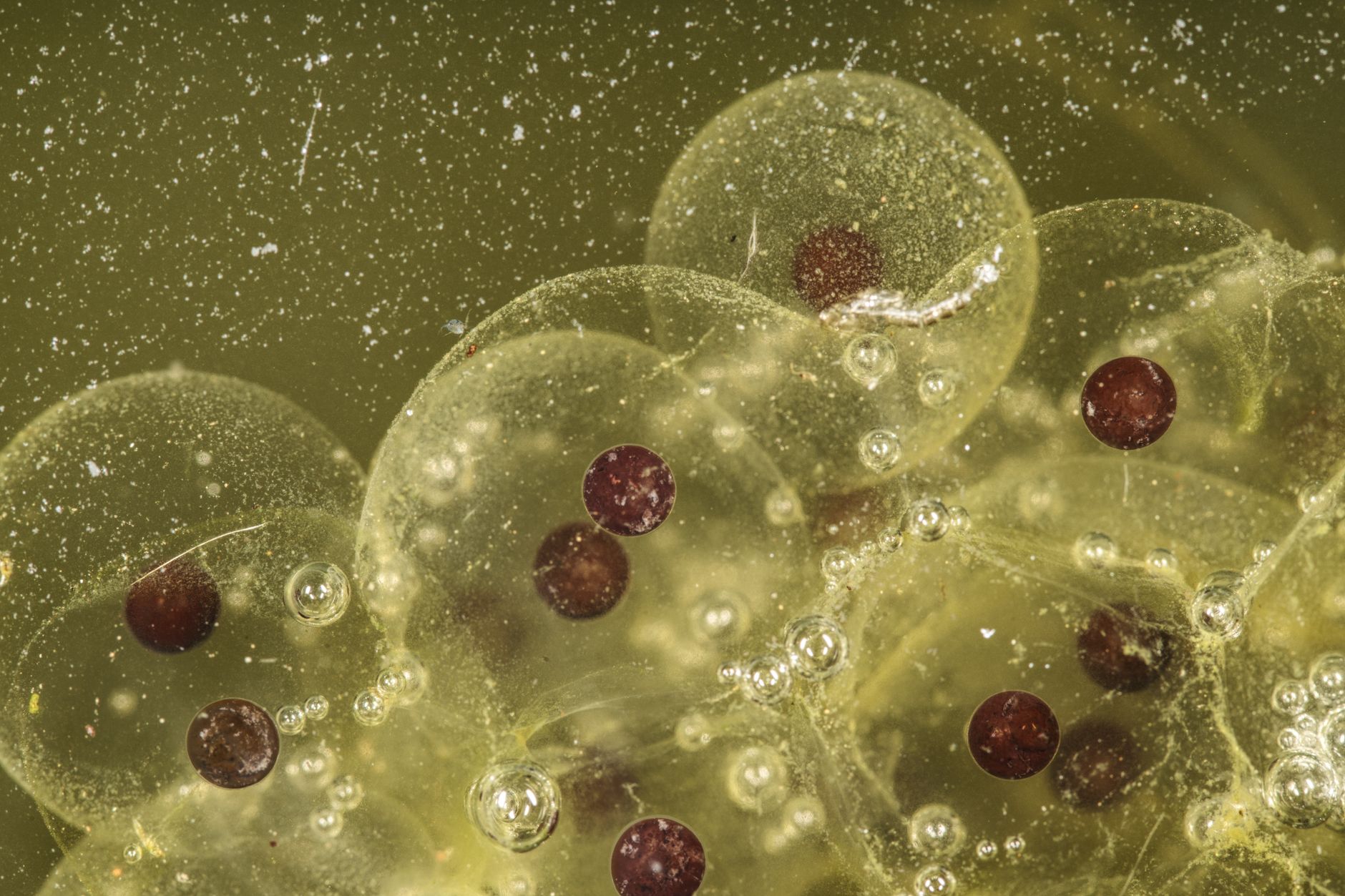
mouse embryo development is a fascinating process that scientists have captured in stunning detail. This research sheds light on genetic growth and cell differentiation.
Understanding Mouse Embryo Development
Mouse embryo development is a complex and fascinating process that has garnered significant attention in the field of developmental biology. Understanding how mouse embryos develop provides critical insights into mammalian biology and the mechanisms underlying early development.
During the early stages of development, the mouse embryo undergoes a series of transformations that include:
- Fertilization: The process begins when a sperm fertilizes an egg, forming a zygote.
- Cleavage: The zygote undergoes rapid cell divisions, leading to the formation of a multicellular structure.
- Blastocyst Formation: After several rounds of division, the embryo develops into a blastocyst, which consists of an inner cell mass that will eventually become the embryo and an outer layer of cells that will form the placenta.
- Gastrulation: This critical phase involves the reorganization of the embryonic cells, establishing the three primary germ layers: ectoderm, mesoderm, and endoderm, which will differentiate into various tissues and organs.
Researchers employ various techniques to study mouse embryo development, including advanced imaging methods and genetic manipulation. These techniques allow scientists to observe developmental processes in real-time, providing valuable information on the factors that influence embryonic health and development.
Overall, understanding mouse embryo development is essential for advancements in reproductive health, regenerative medicine, and understanding congenital disorders.
Key Stages of Embryo Growth
The process of mouse embryo development involves several key stages that are crucial for proper growth and differentiation. Understanding these stages helps researchers gain insights into developmental biology and potential applications in medicine.
- Fertilization: The initial stage begins when the sperm fertilizes the egg, creating a zygote. This single cell contains the genetic material from both parents.
- Cleavage: The zygote undergoes rapid cell division, known as cleavage, resulting in a multicellular structure called a blastula. This stage is essential for establishing the foundation for further development.
- Gastrulation: Following cleavage, the blastula undergoes gastrulation, where cells migrate and differentiate into three germ layers: ectoderm, mesoderm, and endoderm. These layers give rise to all tissues and organs in the developing mouse.
- Neurulation: This stage involves the formation of the neural tube, which eventually develops into the central nervous system. Proper neurulation is critical for neurodevelopmental outcomes.
- Organogenesis: Finally, organogenesis occurs, where organs and systems are formed from the germ layers. This complex process is vital for the functional development of the embryo.
Each of these stages in mouse embryo development is meticulously orchestrated, and any disruptions can lead to developmental abnormalities or failure to thrive.
Importance of Cell Differentiation
Cell differentiation is a crucial process in mouse embryo development, as it determines how cells specialize and contribute to the formation of various tissues and organs. This complex phenomenon involves the transformation of unspecialized stem cells into differentiated cells, each with unique functions and characteristics.
The significance of cell differentiation in mouse embryos can be summarized in the following points:
- Developmental Pathways: Cell differentiation follows specific pathways that guide stem cells toward becoming particular cell types, such as muscle, nerve, or blood cells. These pathways are essential for the proper organization of the developing embryo.
- Tissue Formation: As cells differentiate, they group together to form tissues. This organization is vital for the overall architecture of the embryo, ensuring that systems such as the circulatory and nervous systems develop correctly.
- Gene Regulation: Differentiation is regulated by a network of genes that respond to various signals in the embryo’s environment. Understanding these regulatory mechanisms is key to mastering mouse embryo development.
- Research Implications: Insights gained from studying cell differentiation in mouse embryos can inform regenerative medicine and developmental biology, paving the way for advances in treating human diseases.
Ultimately, the study of cell differentiation not only enhances our understanding of mouse embryo development but also has far-reaching implications for biological research and therapeutic applications.
Techniques for Capturing Development
Capturing the intricate processes of mouse embryo development requires a combination of advanced techniques that allow researchers to observe and analyze developmental stages in real-time. These techniques are essential for understanding the complexities of embryonic growth and the factors that influence cell differentiation.
Some of the most effective methods employed in the study of mouse embryos include:
- Live Imaging: This technique utilizes fluorescent markers to visualize cellular activities, enabling scientists to monitor the development of mouse embryos over time.
- 3D Reconstruction: By taking multiple images from different angles, researchers can create three-dimensional models of the embryo, providing a clearer understanding of spatial relationships among cells.
- CRISPR/Cas9 Gene Editing: This revolutionary technique allows for precise modifications to the mouse genome, facilitating the study of specific genes involved in embryo development.
- Time-Lapse Microscopy: By capturing images at regular intervals, this method reveals dynamic processes occurring during early stages of mouse embryo development, such as cell division and migration.
- Single-Cell RNA Sequencing: This powerful tool helps in profiling gene expression at the single-cell level, offering insights into the differentiation pathways of embryonic cells.
Each of these techniques contributes to a more comprehensive understanding of how mouse embryos develop, ultimately enhancing our knowledge of developmental biology.
Recent Breakthroughs in Embryology
Recent advancements in the field of embryology have significantly enhanced our understanding of mouse embryo development. Researchers have employed innovative techniques that provide a more detailed view of the intricate processes involved in embryonic growth.
One notable breakthrough is the use of live imaging techniques, which allow scientists to observe mouse embryos in real-time. This method provides insights into cellular movements and interactions as they occur, enabling a better grasp of how various factors influence development.
Another significant advancement is the application of gene editing technologies, such as CRISPR-Cas9. This technique permits precise modifications of genetic material, facilitating the study of specific genes involved in mouse embryo development. By manipulating these genes, researchers can determine their roles in critical stages of growth and differentiation.
Moreover, the integration of 3D culture systems has revolutionized the way scientists study embryonic development. These systems mimic the natural environment of embryos, allowing for more accurate observations and experiments. As a result, researchers can better assess the impact of external factors on the growth of mouse embryos.
In summary, the combination of live imaging, gene editing, and advanced culture techniques has propelled our understanding of mouse embryo development, opening new avenues for research and potential therapeutic applications.
Implications for Genetic Research
The study of mouse embryo development has profound implications for genetic research, offering insights that can be applied across various fields, including medicine and biotechnology. Understanding how genes regulate developmental processes in mouse embryos can help researchers identify the underlying causes of genetic disorders in humans.
One significant area of research is the exploration of gene editing techniques, such as CRISPR-Cas9, which allow scientists to manipulate specific genes in mouse embryos. This capability not only enhances our understanding of gene function but also provides a platform for developing potential therapies for genetic diseases.
Moreover, the ability to observe and analyze mouse embryo development in real-time enables researchers to uncover the complex interactions between genes and the environment. By studying these interactions, scientists can better predict how genetic variations contribute to phenotypic outcomes, thus advancing personalized medicine.
The implications extend beyond human health; insights gained from mouse models can inform conservation efforts for endangered species, as understanding developmental processes can aid in species recovery and management strategies.
As techniques continue to evolve, the future of genetic research looks promising, with mouse embryo development serving as a critical model for understanding the complexities of life at the molecular level.
Future Directions in Developmental Biology
As research in developmental biology continues to expand, the future of mouse embryo development holds promising advancements that could significantly enhance our understanding of mammalian biology. Scientists are now exploring innovative techniques that combine traditional methods with cutting-edge technologies.
One of the most exciting prospects is the integration of single-cell sequencing with imaging techniques. This approach allows researchers to examine individual cells within the embryo, providing insights into their unique roles and interactions during development. By analyzing the genetic material from these cells, scientists can better understand the complexities of cell differentiation and the factors that influence it.
Additionally, advancements in 3D organoid cultures are paving the way for more accurate models of mouse embryo development. These miniaturized versions of organs can be created to mimic the environment of a developing embryo, allowing for detailed studies of organogenesis and the impact of various genetic and environmental factors.
Moreover, the use of CRISPR technology offers unprecedented opportunities to manipulate genes within embryos, enabling researchers to investigate the consequences of specific genetic modifications on development. As these techniques evolve, they promise to yield new insights into developmental processes, potentially leading to breakthroughs in regenerative medicine and therapeutic interventions.
Overall, the future directions in developmental biology are poised to expand our understanding of mouse embryo development significantly, potentially transforming our approach to studying mammalian development and disease.
Challenges in Studying Embryo Development
Studying mouse embryo development presents several challenges that researchers must navigate to obtain accurate and meaningful results. One of the primary obstacles is the ethical considerations surrounding the use of embryos. Researchers are required to adhere to strict guidelines that govern the treatment and handling of embryos, which can limit experimental approaches.
Another significant challenge is the complexity of the developmental processes themselves. The stages of embryo growth involve intricate interactions between various cell types and signaling pathways. Understanding these interactions necessitates advanced techniques and technologies, which can be resource-intensive and technically demanding.
Additionally, capturing the dynamic nature of mouse embryo development poses difficulties. Researchers often rely on imaging techniques to observe embryos in real-time, but these methods can sometimes result in artifacts or incomplete data. Achieving high-resolution images while maintaining the viability of the embryos is a delicate balance.
Furthermore, the genetic variability among different mouse strains can introduce variability in the outcomes of experiments, complicating the interpretation of results. Ensuring consistency across experiments thus requires careful selection of strains and precise control of environmental factors.
Lastly, funding limitations can restrict the scope of research projects. As the field continues to evolve, addressing these challenges is crucial for advancing our understanding of mouse embryo development and its implications for broader biological research.
Photo by Jason Reid on Pexels
Read the original
Related stories
- Vivo T4x price: The Best Affordable Phone with Huge Battery
- ARC Raiders Frozen Trail: The Best Update Yet!
- Intelligent UI for ChatGPT: The Smart New Feature You Need