

NVIDIA product price increase has become a notable trend in the tech industry. The recent AI boom has significantly affected the prices of products released seven years ago, leading to a 1.5 times increase.
Understanding the AI Boom
The recent surge in artificial intelligence (AI) has significantly influenced the technology market, particularly for NVIDIA products. Over the past seven years, these products have seen a substantial price increase, with many items now costing 1.5 times their original prices. This surge can be attributed to the growing demand for AI capabilities across various industries.
Several factors contribute to this trend:
- Increased Demand: Companies are investing heavily in AI technologies, driving up the demand for powerful GPUs.
- Technological Advancements: NVIDIA has continuously improved its products, leading to enhanced features that justify the higher price.
- Market Competition: As more businesses adopt AI, the competition for high-performance hardware intensifies, impacting pricing strategies.
This phenomenon illustrates how the AI boom not only reshapes product offerings but also significantly impacts pricing dynamics, particularly for NVIDIA product price increases.
Historical Price Trends of NVIDIA Products
Over the past several years, NVIDIA has experienced significant price fluctuations in its product lineup, particularly due to the surge in demand driven by advancements in artificial intelligence. Historical data indicates that NVIDIA products released seven years ago have increased in price by 1.5 times, reflecting the broader market trends influenced by the AI boom.
This price increase can be attributed to several factors:
- Increased Demand: The rise of AI applications has led to higher demand for powerful GPUs.
- Technological Advancements: Continuous innovations in graphics technology justify the elevated pricing.
- Market Competition: Competing companies have also raised prices, influencing NVIDIA’s pricing strategy.
As a result, consumers and businesses looking to invest in NVIDIA products will need to consider these historical price trends and the ongoing impact of the AI boom when making purchasing decisions.
Impact of AI on Technology Prices
The recent surge in demand for artificial intelligence has significantly influenced technology prices, particularly for NVIDIA products. As the market embraces AI-driven solutions, prices for GPUs and other hardware components have escalated. This trend is evidenced by the fact that NVIDIA products released seven years ago have increased in price by 1.5 times due to the AI boom.
Several factors contribute to this price increase:
- High Demand: The explosion of AI applications has led to a greater need for powerful graphics processing units.
- Supply Chain Challenges: Global disruptions have impacted the availability of semiconductor materials, further driving prices up.
- Innovation Costs: Continuous advancements in technology require significant investment, which is reflected in the cost of new products.
As a result, consumers and businesses are now faced with higher costs for essential technology, marking a new era in the tech sector influenced by the AI revolution.
Consumer Reactions to Price Increases
As NVIDIA continues to raise prices on its products, consumers have expressed a mix of frustration and understanding regarding these increases. Many buyers have taken to online forums to voice their concerns about affordability, particularly for those relying on NVIDIA’s products for gaming and professional applications.
Some consumers argue that the NVIDIA product price increase is justified given the advancements in AI technology and the growing demand for high-performance hardware. They emphasize that improved capabilities and features can warrant a higher price tag. However, others feel the surge in prices is unsustainable, especially for casual users.
In a recent survey, 65% of respondents stated that they would reconsider their purchases if prices continue to rise. Additionally, a significant number of gamers have reported delaying upgrades to their systems while keeping a close eye on future price trends. As the market evolves, consumer sentiment may play a crucial role in shaping NVIDIA’s pricing strategies moving forward.
Future Predictions for NVIDIA Products
As the demand for AI technologies continues to surge, future predictions for NVIDIA products suggest a sustained trend of price increases. Analysts anticipate that the ongoing advancements in artificial intelligence will further elevate the value of NVIDIA’s offerings, leading to a potential increase in product prices by as much as 20% over the next few years.
Industry experts highlight several factors contributing to this trend:
- Increased Demand: The widespread adoption of AI across various sectors is driving up the need for high-performance GPUs.
- Supply Chain Constraints: Ongoing global supply chain issues may lead to production delays, resulting in higher costs.
- Technological Advancements: Continuous innovation in AI will likely justify higher price points for new NVIDIA products.
Consequently, consumers may need to brace for more frequent NVIDIA product price increases as the AI boom remains a dominant force in the market.
Comparing NVIDIA with Competitors
As NVIDIA continues to raise its product prices, analysts are closely examining how this affects its position compared to competitors in the market. While NVIDIA has established itself as a leader in AI technology, other companies are also vying for a share of this lucrative sector.
Key competitors include:
- AMD: Known for its cost-effective graphics cards, AMD has managed to maintain competitive pricing even as AI demand escalates.
- Intel: With a focus on integrated solutions, Intel is gradually entering the AI space, but its products have not seen the same steep price increases as NVIDIA.
- Google: Leveraging its cloud services, Google has started to offer AI solutions at competitive rates, potentially challenging NVIDIA’s market dominance.
The ongoing NVIDIA product price increase reflects not only the demand for advanced AI capabilities but also raises questions about sustainability in a fiercely competitive landscape.
Investment Insights in Tech
The recent price increase of NVIDIA products highlights a significant trend in the tech industry driven by advancements in artificial intelligence. Investors are closely monitoring this shift, as it reflects broader market dynamics and consumer behavior. The surge in demand for AI capabilities has led to a reevaluation of product pricing, resulting in NVIDIA products released seven years ago now costing 1.5 times their original price.
As companies continue to integrate AI into their operations, the value of NVIDIA’s hardware becomes increasingly critical. This trend poses both opportunities and challenges for investors. On one hand, rising prices of NVIDIA products can indicate strong market demand, suggesting potential profitability. On the other hand, sustained price increases may lead to consumer pushback, impacting sales in the long run.
Strategic investment in tech stocks like NVIDIA requires careful analysis of these price trends, as well as understanding the implications of the ongoing AI revolution.
The NVIDIA product price increase has sparked widespread discussions among consumers and industry experts alike. As companies adapt to the changing landscape, the NVIDIA product price increase is likely to influence future investments in AI technology.
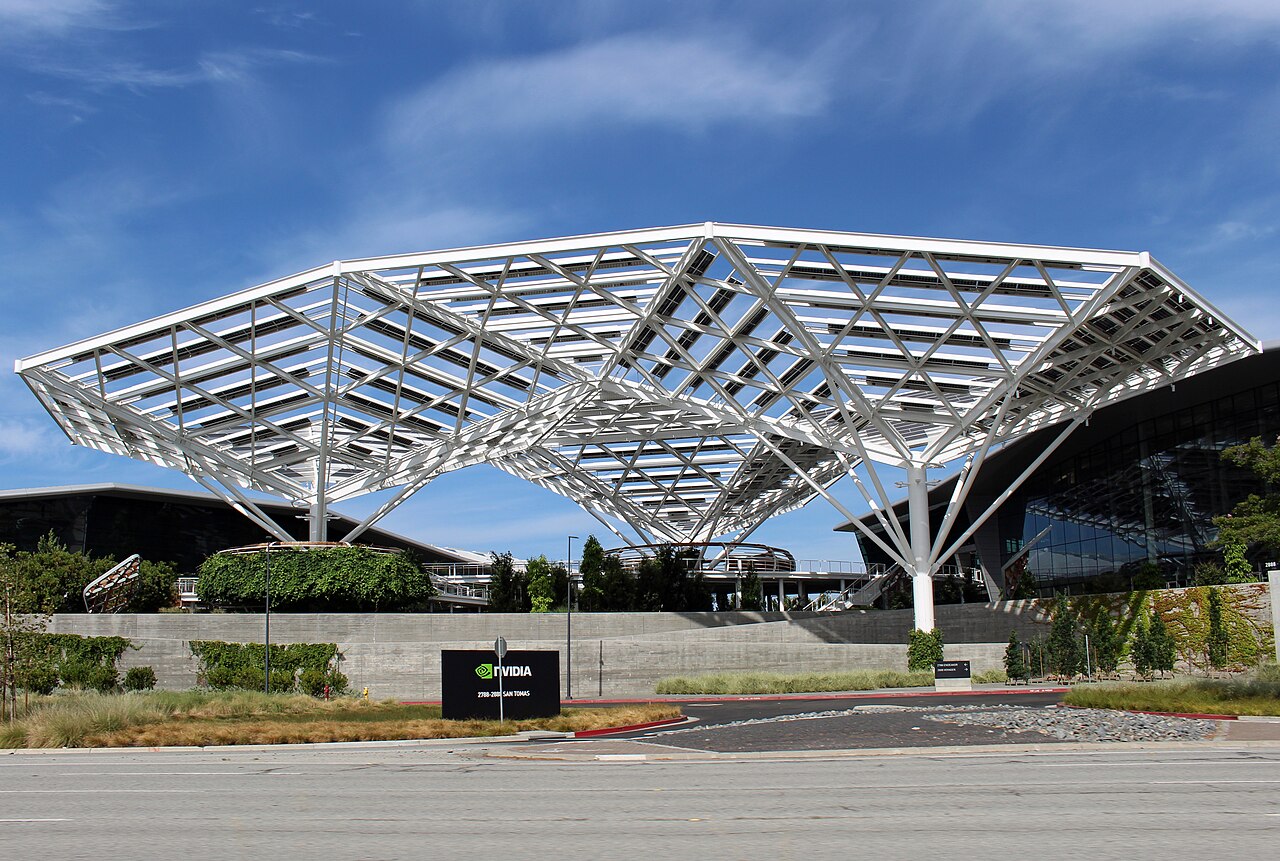
via Wikimedia Commons
Where this came from
Related stories
- Vivo T5 vs Motorola Edge 70 Fusion: Which is the Best Phone?
- Amazon AI startup deal: Best Proven Strategies for Success
- India’s data prices: Honest defense amid Starlink controversy