

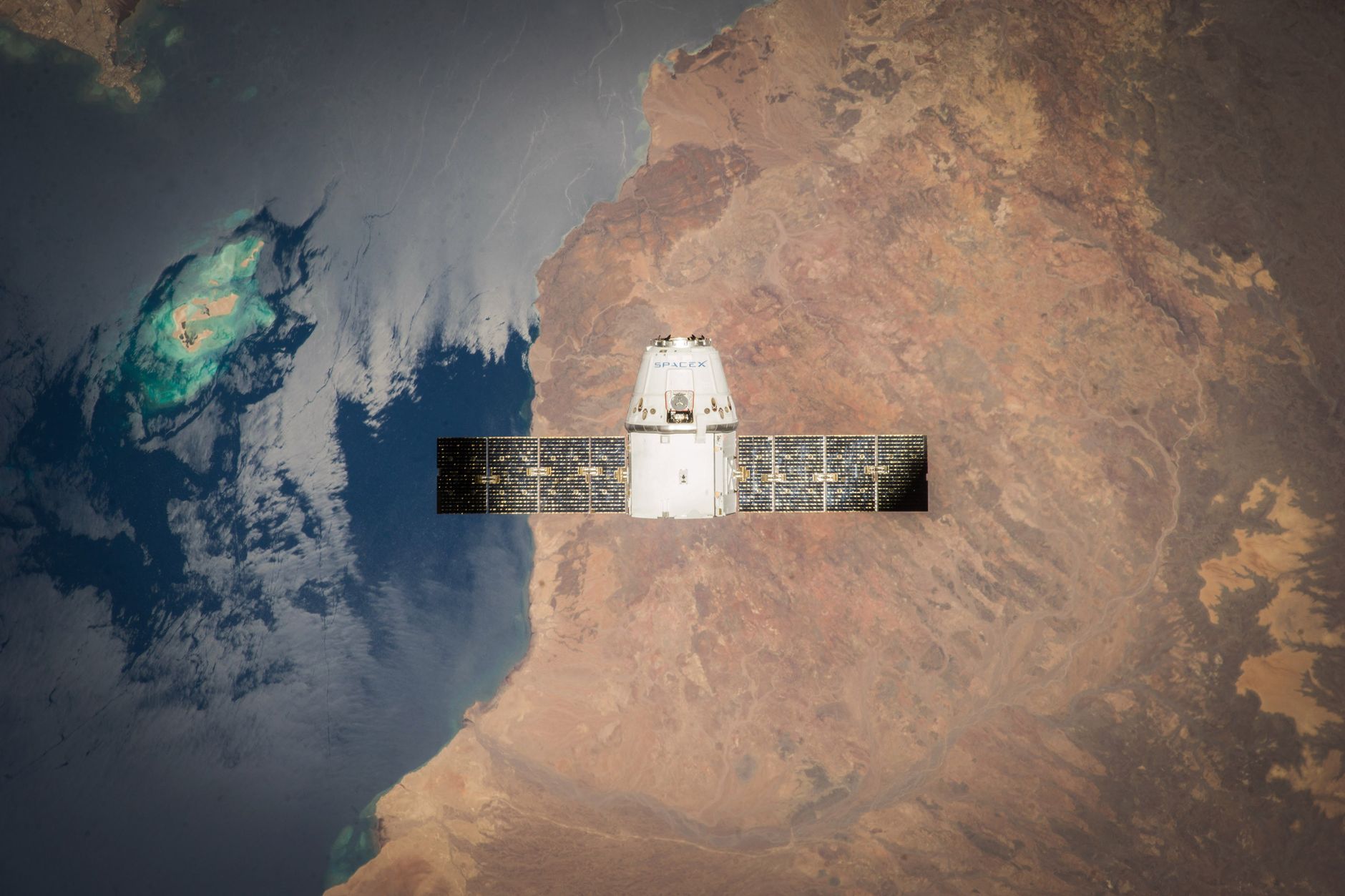
SpaceX Starlink satellites have made headlines again with their latest launch. The recent mission saw the deployment of 27 new satellites, marking a significant milestone for the company’s ambitious internet project.
Overview of SpaceX’s Latest Launch
SpaceX has successfully completed its 107th Falcon 9 launch, deploying 27 Starlink satellites into orbit. This mission marks another significant achievement for the company as it continues to expand its satellite internet constellation. The launch took place from the Cape Canaveral Space Force Station in Florida, demonstrating SpaceX’s commitment to improving global internet coverage.
The Starlink satellites are designed to provide high-speed internet access to underserved areas, making them a crucial part of SpaceX’s long-term vision for connectivity. With this latest batch, the total number of Starlink satellites in orbit has reached approximately 3,300, significantly enhancing the network’s capacity and reliability.
Key highlights of the launch include:
- Innovative Technology: Each satellite is equipped with advanced technology to optimize performance.
- Cost Efficiency: Utilizing the Falcon 9 rocket allows for more affordable deployment.
- Environmental Considerations: SpaceX has implemented measures to reduce space debris and ensure sustainability.
This successful deployment not only reinforces SpaceX’s position as a leader in space innovation but also brings the company closer to its goal of providing widespread, reliable internet access through its Starlink satellites.
The Importance of Starlink Satellites
The recent launch of 27 SpaceX Starlink satellites marks a significant milestone in the ongoing effort to enhance global internet access. These satellites are designed to provide high-speed internet to underserved areas, bridging the digital divide and making online connectivity more accessible.
Starlink satellites play a crucial role in SpaceX’s vision of creating a satellite constellation that can serve millions of users worldwide. With each successful launch, the network expands, allowing for improved coverage and reduced latency for internet users.
Among the key benefits of the Starlink satellite system are:
- Global Coverage: Starlink aims to provide internet access in remote and rural areas where traditional infrastructure is lacking.
- High-Speed Connectivity: Users can expect faster internet speeds compared to conventional satellite services.
- Reduced Latency: The low Earth orbit positioning of Starlink satellites minimizes delays in data transmission.
As SpaceX continues to launch more Starlink satellites, the potential for revolutionizing internet access grows, promising to change the way people connect around the globe.
How Many Satellites Are in Orbit?
As of now, SpaceX has successfully deployed a total of 27 Starlink satellites in its recent launch, marking the 107th Falcon 9 launch. This significant milestone brings the total number of Starlink satellites in orbit to an impressive count of over 4,500. The expansion of the Starlink constellation is crucial for providing global broadband coverage, especially in underserved areas.
The SpaceX Starlink satellites project aims to create a network that offers high-speed internet access to users worldwide. The satellites operate in low Earth orbit, which reduces latency and improves connection speeds compared to traditional satellite internet services.
Key statistics about the current Starlink satellite deployment include:
- Total satellites in orbit: Over 4,500
- Recent launch: 27 satellites
- Launch vehicle: Falcon 9
With each successful launch, SpaceX moves closer to its goal of enhancing internet access on a global scale, further solidifying its position as a leader in space technology and satellite communications.
Impact on Global Internet Access
The recent launch of 27 SpaceX Starlink satellites marks a significant milestone in expanding global internet access. With each successful deployment, SpaceX continues to enhance its constellation, aiming to provide high-speed internet to underserved regions around the world.
The impact of these satellites is profound, particularly in remote areas where traditional internet infrastructure is lacking. By using low Earth orbit technology, the Starlink satellites can deliver fast and reliable internet service to users who previously had limited or no connectivity options.
- Improved Connectivity: Starlink aims to bridge the digital divide, offering reliable internet to rural communities.
- Lower Latency: The satellites operate at a lower altitude, ensuring faster response times compared to traditional satellite internet.
- Global Reach: The growing network of SpaceX Starlink satellites is designed to serve customers in every corner of the globe.
As SpaceX continues its ambitious launch schedule, the potential for enhanced global internet access becomes increasingly tangible. The ongoing deployment of Starlink satellites is not just a technological achievement; it represents a step toward a more connected world.
Future Plans for Starlink
As SpaceX continues to expand its Starlink constellation, the future plans for Starlink satellites are ambitious and transformative. The company is set to increase the number of satellites in orbit significantly, aiming to enhance global internet coverage and connectivity.
Key initiatives in the pipeline include:
- Launch Frequency: SpaceX plans to conduct regular launches to deploy additional satellites, with the goal of achieving a total of over 40,000 satellites in the coming years.
- Technological Enhancements: Future Starlink satellites will feature improved technology, including advanced antennas and better solar panels, to boost both performance and reliability.
- Global Partnerships: SpaceX is exploring partnerships with governments and organizations worldwide to expand service availability, especially in remote areas where traditional internet infrastructure is lacking.
- Enhanced User Experience: Efforts are underway to reduce latency and increase bandwidth, making Starlink a competitive option for users across various sectors, from households to businesses.
With these developments, SpaceX’s Starlink satellites are poised to revolutionize global internet access and pave the way for new opportunities in communication and connectivity.
Challenges in Satellite Deployment
The deployment of SpaceX Starlink satellites has not been without its challenges. As the company continues to expand its constellation, several issues have arisen that could impact the effectiveness and reliability of the service.
- Regulatory Hurdles: Navigating international regulations can be complex. SpaceX must secure approvals from various governments to operate its satellites in different regions, which can delay launches.
- Orbital Debris: With thousands of satellites planned, there are concerns about space congestion and potential collisions. SpaceX has implemented advanced tracking systems to mitigate these risks, but the challenge remains significant.
- Technical Malfunctions: Despite rigorous testing, technical issues can occur post-launch. Satellites may experience failures in communication systems or propulsion mechanisms, impacting their functionality.
- Public Perception: The visibility of Starlink satellites has raised concerns among astronomers and the general public. Light pollution and interference with astronomical observations are ongoing discussions that SpaceX must address.
Despite these challenges, SpaceX remains committed to enhancing its Starlink satellite network, recognizing its potential to transform global internet access.
Technological Innovations in SpaceX
SpaceX has consistently pushed the boundaries of space technology, and its recent launch of 27 Starlink satellites is a testament to its innovative spirit. This mission marks the 107th Falcon 9 launch, showcasing the reliability and efficiency of their rocket technology.
One of the most significant technological advancements in this launch is the improved payload integration system, which allows for a more streamlined deployment of multiple satellites. This system enhances the overall mission efficiency, reducing the time required for each launch and maximizing the operational potential of each satellite.
Additionally, SpaceX has made strides in satellite design, utilizing more advanced materials that contribute to lighter, more durable satellites. This not only improves the performance of the Starlink satellites but also reduces the cost of deploying them into orbit.
Furthermore, the company has implemented innovative propulsion systems that enable better maneuverability and positioning in orbit, ensuring optimal coverage for global internet access. As SpaceX continues to refine its technology, the implications for the future of satellite communication remain promising, establishing a new standard in the aerospace industry.
Public Reaction to Starlink Expansion
The recent launch of 27 SpaceX Starlink satellites has sparked a wave of public interest and discussion across various platforms. Many users took to social media to express their excitement and appreciation for the enhanced internet services expected from this expansion.
Supporters of the project highlighted several key benefits:
- Increased Connectivity: Many rural and underserved areas are anticipated to experience improved internet access, bridging the digital divide.
- Technological Advancement: Enthusiasts praised SpaceX for pushing the boundaries of satellite technology, making high-speed internet more accessible.
- Environmental Concerns: Some critics voiced worries about the potential for space debris and its impact on astronomical observations.
Despite the mixed reactions, the overall sentiment leaned towards optimism, with many users eager to see the benefits of the Starlink expansion unfold. The successful deployment of these satellites marks a significant milestone for SpaceX and highlights the growing importance of satellite internet in the modern world.
As discussions continue, it is clear that the impact of SpaceX Starlink satellites will be felt far beyond just the technical realm.
The successful deployment of the SpaceX Starlink satellites marks a significant milestone in the company’s mission to provide global internet coverage. With each launch, the SpaceX Starlink satellites demonstrate improved technology and reliability, setting a new standard for satellite communications.
Photo by SpaceX on Pexels
Sources
You might also like
Giant Sea Spiders: The Strange Creatures You Need to See · Drug Discovery Collaboration: Novo and Anthropic Team Up · Redmi Note 17 Pro 5G: The Best Battery Upgrade in India