

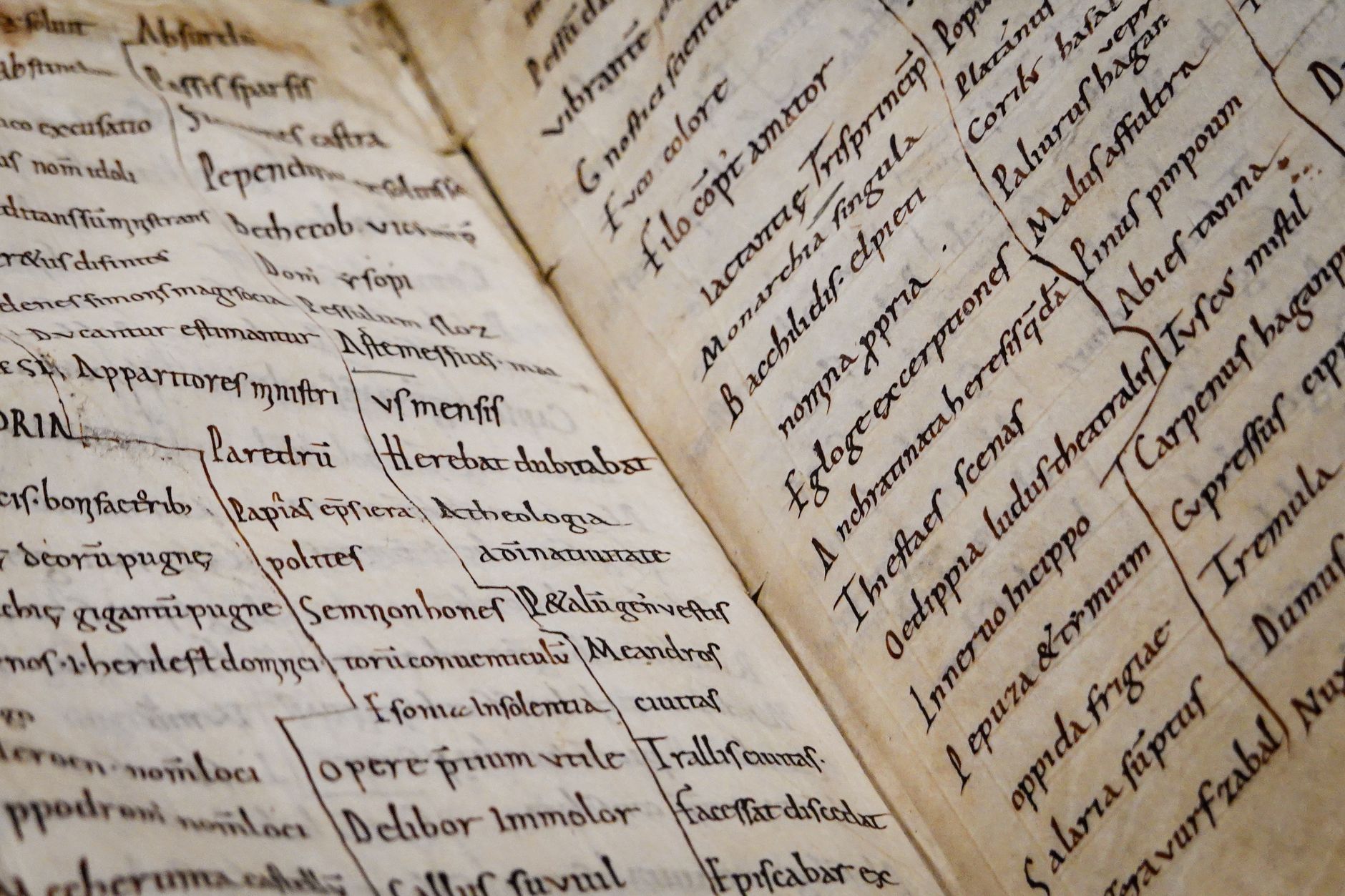
Medieval parchment DNA offers a groundbreaking glimpse into the past. Scientists have successfully extracted DNA from these ancient documents, uncovering hidden diseases that have long been forgotten.
The Science Behind DNA Extraction
Recent advancements in the field of genetics have opened new avenues for understanding historical diseases through the study of medieval parchment DNA. Scientists have developed innovative techniques to extract DNA from ancient documents, allowing them to analyze the genetic material that may reveal hidden health issues of the past.
The extraction process typically involves several key steps:
- Sample Collection: Researchers carefully select parchment fragments, ensuring minimal contamination.
- DNA Isolation: Using specialized chemical solutions, scientists break down the parchment fibers to release the embedded DNA.
- Amplification: The isolated DNA is then amplified using polymerase chain reaction (PCR) techniques, making it possible to study even tiny quantities of genetic material.
- Analysis: Finally, the amplified DNA is sequenced and analyzed to identify potential pathogens or genetic markers related to diseases.
This groundbreaking work not only enhances our understanding of historical health trends but also sheds light on the evolution of diseases that have shaped human history.
Uncovering Hidden Diseases
Recent advancements in the study of medieval parchment DNA have opened new avenues for uncovering hidden diseases that affected populations centuries ago. Researchers have successfully extracted genetic material from ancient manuscripts, revealing insights into the health challenges faced by our ancestors.
One significant finding highlights the presence of pathogens that were previously unknown or thought to be extinct. By analyzing DNA from these historical documents, scientists can identify the genetic signatures of diseases that once plagued communities:
- Plague bacteria that caused widespread mortality in the Middle Ages.
- Tuberculosis strains that were prevalent in medieval populations.
- Treponema pallidum, the bacteria responsible for syphilis, indicating its historical presence.
This innovative approach not only sheds light on the epidemiology of past diseases but also helps in understanding how they evolved over time. The extraction of medieval parchment DNA thus serves as a critical tool for historians and epidemiologists alike, bridging the gap between history and modern medicine.
The Importance of Medieval Texts
Medieval texts are invaluable resources that offer insights into past societies, cultures, and medical practices. The examination of these documents has traditionally focused on their linguistic and historical significance. However, recent advancements in extracting medieval parchment DNA have opened a new frontier in the study of history. This innovative approach allows researchers to uncover not only the content of the texts but also the biological remnants of the people who created and used them.
By analyzing DNA preserved in parchment, scientists can identify pathogens and diseases that affected populations in medieval times. This information can reshape our understanding of historical health trends and inform modern medicine. As researchers delve deeper into these ancient manuscripts, the potential to reveal hidden diseases and their impact on society becomes increasingly apparent.
Moreover, these findings emphasize the importance of interdisciplinary collaboration between historians, archaeologists, and geneticists. Together, they are forging a path toward a more comprehensive understanding of the past, illustrating how medieval parchment DNA can serve as a bridge between history and science.
Future Implications for Genetic Research
The discovery of medieval parchment DNA offers exciting prospects for genetic research, particularly in understanding historical diseases and their evolution. This groundbreaking technique not only allows scientists to analyze ancient manuscripts but also opens up a new frontier in the study of human health.
Researchers envision several future implications, including:
- Tracking Disease Evolution: By comparing DNA from medieval parchment with modern genetic data, scientists can trace how diseases have changed over centuries.
- Understanding Historical Health Trends: Insights gained from ancient DNA may reveal how lifestyle, environment, and nutrition influenced disease prevalence in the past.
- Informing Modern Medicine: Knowledge of historical disease resistance may guide contemporary approaches to treatment and prevention, particularly for diseases that have persisted through generations.
- Enhancing Archaeogenetics: The integration of ancient DNA analysis with archaeological findings can enrich our understanding of past civilizations and their health.
As this field evolves, medieval parchment DNA could play a pivotal role in bridging the gap between past and present health narratives.
Photo by Magda Ehlers on Pexels
References
Related stories
Nebius price hikes: Proven short-term pricing power revealed · boAt Airdopes Prime 800D: Best Smart Audio Experience · Fable Development News: The Proven Future of Xbox Gaming