

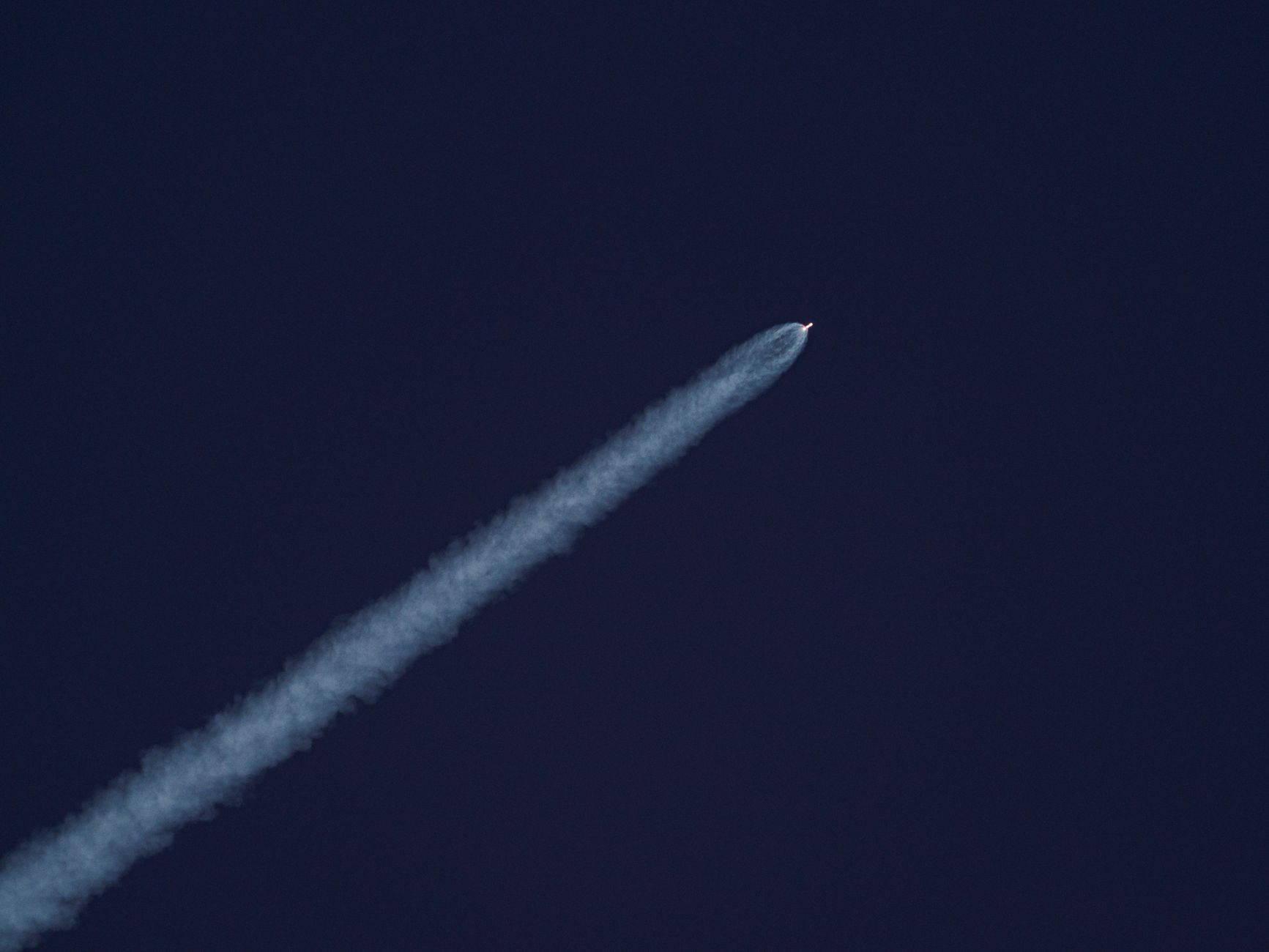
ISRO GSLV-F17 launch successfully placed the EOS-05 satellite into orbit, showcasing India’s growing capabilities in space technology.
Overview of the GSLV-F17 Launch
The recent launch of the GSLV-F17 by the Indian Space Research Organisation (ISRO) marks another significant milestone in the realm of space exploration. This successful mission took place on schedule, demonstrating ISRO’s commitment to advancing its capabilities in satellite deployment.
The GSLV-F17 rocket, equipped with enhanced features, has been designed to carry payloads into geosynchronous transfer orbit. This launch was primarily aimed at deploying the EOS-05 satellite, which is expected to play a crucial role in various applications, including meteorology, agriculture, and disaster management.
Following is a summary of the key highlights from the GSLV-F17 launch:
- Launch Date: The GSLV-F17 was launched successfully from the Satish Dhawan Space Centre.
- Payload Capacity: The rocket can carry heavier payloads compared to its predecessors.
- Mission Objective: The primary goal was to place the EOS-05 satellite into its designated orbit.
- Technological Advancements: The GSLV-F17 incorporates new technologies that enhance its reliability and performance.
This successful mission reinforces ISRO’s status as a key player in global space exploration, showcasing its ability to innovate and execute complex space missions with precision.
Significance of the EOS-05 Satellite
The recent launch of the EOS-05 satellite aboard the ISRO GSLV-F17 has significant implications for various sectors. This advanced satellite is designed to enhance the capabilities of Earth observation, enabling better monitoring of environmental changes and natural disasters.
One of the key features of the EOS-05 satellite is its ability to capture high-resolution images, which can be utilized for:
- Agricultural Monitoring: Farmers and agricultural planners can use the data to improve crop yields and manage resources more effectively.
- Disaster Management: Rapid assessment of disaster-affected areas can help in timely response and resource allocation.
- Urban Planning: City planners can benefit from updated information on land use and urban sprawl.
- Environmental Protection: The satellite will aid in monitoring deforestation, pollution, and other environmental issues.
Moreover, the EOS-05 satellite is expected to contribute to India’s initiatives in climate research and weather forecasting, providing crucial data that can enhance prediction models. The successful ISRO GSLV-F17 launch marks a pivotal moment not only for India’s space program but also for its commitment to leveraging technology for societal development.
ISRO’s Recent Achievements
ISRO has consistently demonstrated its prowess in space exploration, and the recent ISRO GSLV-F17 launch is a testament to its innovative spirit and technical expertise. This remarkable achievement not only showcases ISRO’s capabilities but also highlights the organization’s commitment to advancing space technology.
Among the many milestones reached, several key accomplishments stand out:
- Successful Launches: The GSLV-F17 mission marks another feather in ISRO’s cap, following previous successful launches that have bolstered India’s position in the global space race.
- Technological Advancements: The GSLV-F17 has incorporated cutting-edge technology, enhancing the launch vehicle’s reliability and efficiency, which is pivotal for future missions.
- International Collaborations: ISRO has fostered partnerships with various countries, contributing to joint missions and satellite launches, thereby strengthening its global ties in space research.
- Public Engagement: The enthusiasm surrounding the GSLV-F17 launch has sparked interest among the youth, inspiring a new generation to pursue careers in science and engineering.
As ISRO continues to push the boundaries of space exploration, the successful execution of the GSLV-F17 launch further cements its legacy as a leader in aerospace technology.
Future Missions Planned by ISRO
The Indian Space Research Organisation (ISRO) is already looking ahead to its future missions following the successful GSLV-F17 launch. With the recent accomplishment of deploying the EOS-05 satellite, ISRO aims to further advance its capabilities in space exploration and satellite technology.
Several ambitious projects are on the horizon, including:
- Gaganyaan Mission: India’s first manned space mission is set to take place in the near future, marking a significant milestone for the nation’s space program.
- Chandrayaan-3: This mission aims to explore the lunar surface and conduct further research on the Moon’s composition and geography.
- Mangalyaan-2: Following the success of the Mars Orbiter Mission, ISRO plans to send a second mission to Mars to deepen our understanding of the Red Planet.
- Next-Generation Satellites: ISRO continues to develop advanced satellite systems to improve communication, navigation, and earth observation capabilities.
With the success of the GSLV-F17 launch, ISRO is well-positioned to tackle these upcoming challenges, reinforcing its status as a leader in space exploration. As these missions unfold, they promise to contribute significantly to scientific knowledge and technological advancement.
Technical Details of the Launch
The recent ISRO GSLV-F17 launch marked a significant milestone in India’s space exploration endeavors. The GSLV-F17 vehicle, equipped with advanced technology, played a crucial role in deploying the EOS-05 satellite into its designated orbit. This mission, conducted from the Satish Dhawan Space Centre, showcased ISRO’s growing capabilities in handling complex space missions.
Key technical specifications of the GSLV-F17 include:
- Launch Vehicle Configuration: The GSLV-F17 is a three-stage launch vehicle that combines solid, liquid, and cryogenic propulsion systems.
- Payload Capacity: The GSLV-F17 can carry payloads of up to 2,500 kilograms to geosynchronous transfer orbit, allowing it to support a range of satellite types.
- Engine Technology: The mission utilized an indigenously developed cryogenic upper stage, which significantly enhances the payload capacity and performance of the launch vehicle.
- Flight Duration: The entire launch sequence lasted approximately 27 minutes, culminating in the successful insertion of the satellite into orbit.
The GSLV-F17 launch not only demonstrates ISRO’s technological prowess but also sets the stage for future missions that will expand India’s capabilities in space exploration and satellite deployment.
International Reactions to ISRO’s Success
The successful launch of the GSLV-F17 by ISRO has garnered significant international attention, highlighting India’s growing capabilities in space exploration. Many countries expressed their admiration for the technological advancements demonstrated during the launch.
- NASA: A representative from NASA praised the successful deployment of the EOS-05 satellite, emphasizing the importance of international collaboration in space technology.
- European Space Agency (ESA): ESA officials noted that the GSLV-F17 launch reinforces India’s position as a key player in the global space arena, encouraging partnerships for future missions.
- Russia: Russian space experts acknowledged ISRO’s achievements, stating that the GSLV-F17 launch is a testament to India’s dedication to advancing its space program.
- Japan: Japanese scientists expressed their enthusiasm for the scientific potential of the EOS-05 satellite, hoping for collaborative research opportunities stemming from this success.
Overall, the international community has recognized the GSLV-F17 launch as a remarkable achievement for ISRO, showcasing not only India’s technological prowess but also its commitment to furthering space exploration. This event marks another milestone in the ongoing journey of space exploration, inspiring nations to work together toward common goals.
The ISRO GSLV-F17 launch marks a significant milestone in India’s space endeavors, showcasing the country’s growing capabilities in satellite deployment. With the successful execution of the ISRO GSLV-F17 launch, ISRO continues to pave the way for future missions and advancements in space technology.
Photo by Dirk Schuneman on Pexels
Where this came from
Related reading
Smart Stadium Technology and Sports Infrastructure Investment Trends · Connecting Banking Leaders: Exploring the Future of Finance Across APAC · Building Smarter, Faster and More Secure Digital Banking