

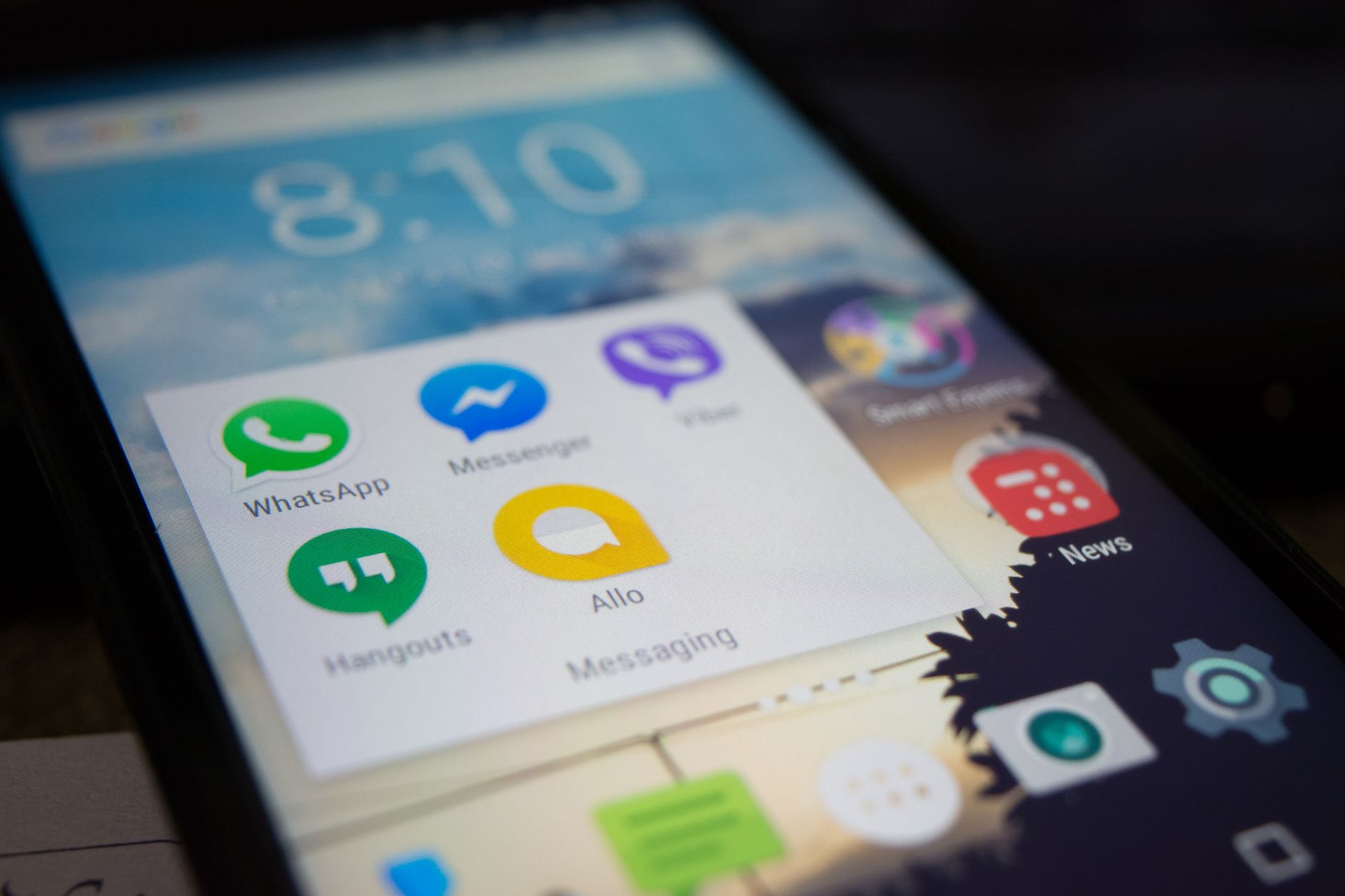
WhatsApp support for older Android versions has officially ended, leaving many users wondering about their options. This change could impact your messaging experience significantly.
What Does This Change Mean?
WhatsApp’s recent update has sent shockwaves through its user base, particularly affecting those who rely on older Android devices. The decision to discontinue support for older Android versions means that millions of users may find themselves unable to access new features or security updates. This change could lead to significant privacy concerns and hinder communication for those still using these devices.
So, what does this change mean for users? Here are some key points to consider:
- Incompatibility: Users on older Android versions will no longer receive updates, making the app increasingly outdated.
- Security Risks: Without updates, these devices become more vulnerable to security breaches and malware.
- Limited Functionality: Features that require the latest software may not function properly, leading to a diminished user experience.
- Transition Options: Users may need to consider upgrading their devices to continue using WhatsApp effectively.
For many, this shift is a wake-up call to evaluate their current technology and make necessary changes.
Which Android Versions Are Affected?
WhatsApp has announced that it will no longer support certain older Android versions, leaving many users in a difficult position. The specific versions affected include:
- Android 4.0.4 (Ice Cream Sandwich) and earlier
- Android 4.1 (Jelly Bean) and earlier
This decision impacts a significant number of users who rely on outdated devices to access the popular messaging platform. As WhatsApp support for older Android versions comes to an end, users may find themselves unable to receive updates or utilize new features, which could potentially compromise their messaging experience.
While the company aims to enhance security and performance, this move raises concerns about the accessibility of essential communication tools for those who cannot upgrade their devices. Users currently on these older versions are encouraged to consider upgrading to at least Android 4.1 or higher to continue enjoying uninterrupted WhatsApp services.
For now, the change has sparked debate among users regarding the necessity of maintaining compatibility with older systems.
How to Check Your Android Version
To determine if your device is affected by the recent changes in WhatsApp support for older Android versions, you first need to check which Android version your smartphone is running. Here’s how you can do that:
- Open the Settings app on your Android device.
- Scroll down and select About Phone or System, depending on your device.
- Look for the option labeled Android Version. This will display the version number currently installed on your device.
- If available, you may also tap on Software Information for more details about system updates and security patches.
It is advisable to keep your device updated, as newer versions of Android not only offer improved features but also ensure compatibility with essential applications like WhatsApp. If your device is running an older version that is no longer supported, consider upgrading to a newer model to maintain access to vital communication tools.
Alternatives to WhatsApp for Older Devices
With WhatsApp’s recent decision to end support for older Android versions, many users are seeking alternatives that can still run smoothly on their devices. Here are some viable options:
- Signal: Known for its strong privacy features, Signal is a great alternative that works on older Android devices while offering end-to-end encryption.
- Telegram: This app supports a wide range of devices and offers cloud-based messaging, making it a suitable choice for users with outdated operating systems.
- Viber: Viber combines messaging and calling features, and it continues to support several older Android versions, ensuring connectivity for its users.
- Facebook Messenger: While it may not have the same level of security as other options, Messenger is accessible on older devices and allows users to send messages to their Facebook contacts.
As WhatsApp support for older Android becomes a concern, exploring these alternatives can help users maintain communication without upgrading their devices.
User Reactions to the Update
Following the recent announcement regarding WhatsApp support for older Android devices, user reactions have been overwhelmingly negative. Many users expressed frustration on social media platforms, emphasizing the impact this change has on their daily communication.
- “I can’t believe they’re dropping support for my device. It’s ridiculous!” stated one user, echoing sentiments shared by countless others.
- Others took to forums to share their disappointment, with one comment reading, “WhatsApp is essential for keeping in touch with family. Now I’m left scrambling for alternatives!”
- Some users reported feeling abandoned, with remarks like, “This update feels like a betrayal for those of us with older phones.”
As the backlash continues to grow, many are urging WhatsApp to reconsider its decision. Users are now left to navigate the challenges of either upgrading their devices or seeking out alternatives, as the implications of this update resonate widely across the community.
Tips for Upgrading Your Device
As WhatsApp support for older Android versions comes to an end, many users are left wondering how to upgrade their devices effectively. Here are some tips to help you transition smoothly:
- Check Your Device Compatibility: Before purchasing a new phone, ensure it runs a version of Android that is still supported by WhatsApp. Look for devices running Android 5.0 (Lollipop) or higher.
- Research Budget Options: If you’re not looking to spend a fortune, consider budget-friendly smartphones that meet the minimum requirements for the latest WhatsApp updates.
- Backup Your Data: Before upgrading, make sure to back up your chats and media. Use the built-in backup feature in WhatsApp settings to ensure you don’t lose important messages.
- Explore Trade-In Programs: Many retailers offer trade-in programs that can significantly reduce the cost of a new device. This can also be a sustainable option for upgrading.
By following these tips, you can ensure continued access to WhatsApp features and stay connected with friends and family.
Conclusion: Next Steps for Affected Users
As WhatsApp support for older Android versions comes to an end, affected users are left to navigate their next steps carefully. This significant update has raised concerns among those who rely on outdated devices for communication. To ensure seamless connectivity, users should consider the following options:
- Upgrade Your Device: The most straightforward solution is to invest in a newer Android device that supports the latest version of WhatsApp.
- Explore Alternative Messaging Apps: If upgrading isn’t feasible, consider switching to alternative messaging platforms that still support older Android versions.
- Stay Informed: Keep an eye on future updates from WhatsApp and other app developers that may offer solutions or workarounds for older devices.
While the discontinuation of WhatsApp support for older Android versions may feel like a setback, users have options to maintain their communication needs. By taking proactive measures, they can find ways to stay connected, ensuring that they are not left behind in the rapidly evolving digital landscape.
Many users are expressing their frustration over WhatsApp support for older Android, citing compatibility issues that hinder their daily communication. As updates roll out, the lack of WhatsApp support for older Android devices has left many feeling abandoned.
Photo by Alok Sharma on Pexels
Sources
Related reading
- Ballon d’Or 2026: What are the Best Players Nominated?
- Is the Poco C95 Pro the Best Smartphone of 2023?
- Japanese-language AI model: The Best MiniCPM5-2B Revealed